

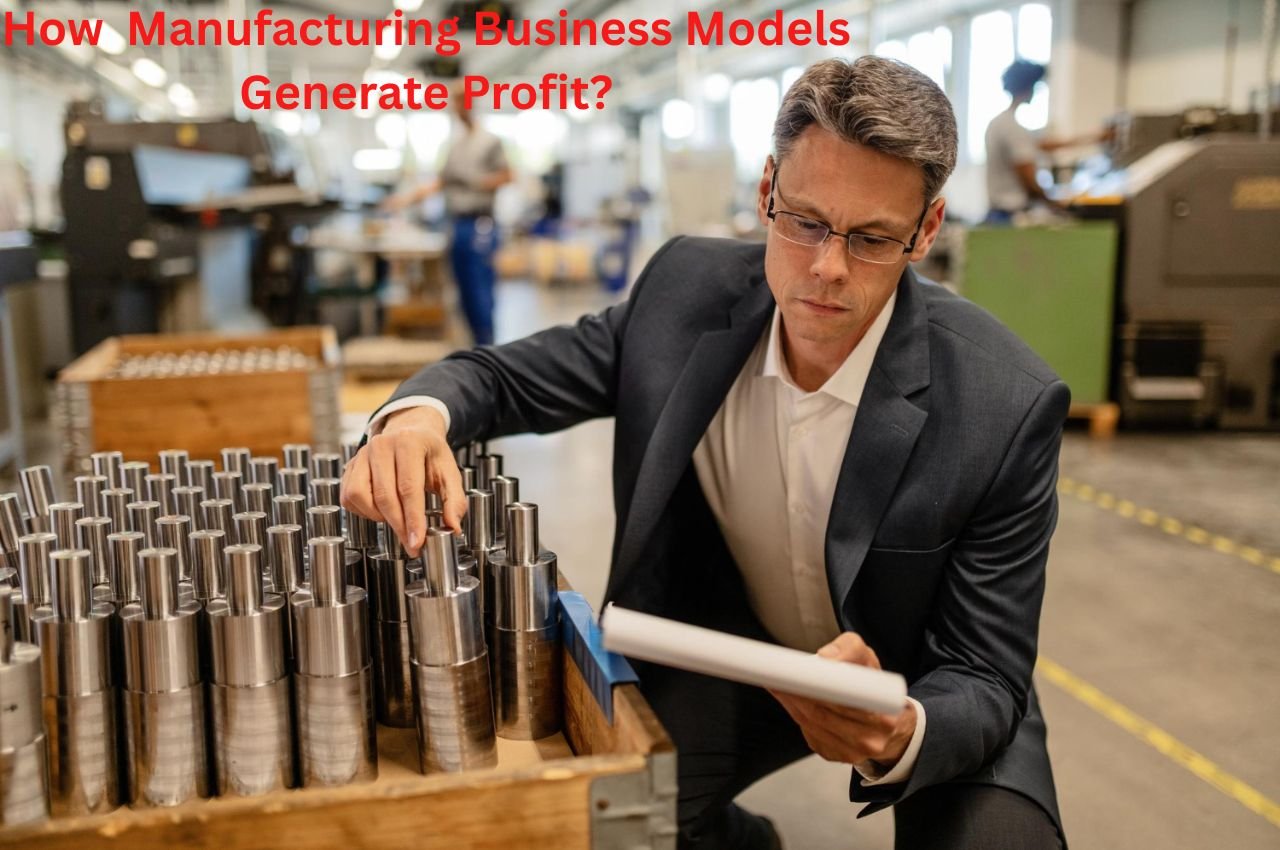
Manufacturing companies operate in a complex ecosystem where success depends on understanding multiple interconnected factors. From traditional production methods to modern technology integration, manufacturers must navigate various challenges to achieve sustainable profitability. This comprehensive guide explores how a manufacturing business model creates value and generates consistent profits.
What Is the Manufacturing Business Model?
A manufacturing business model represents the strategic framework that companies use to transform raw materials into finished products while generating revenue. Unlike service-based businesses, manufacturers create tangible goods through systematic production processes, requiring significant capital investment in equipment, facilities, and workforce.
The manufacturing business model encompasses everything from sourcing raw materials to delivering finished products to customers. Companies in this sector typically purchase materials at wholesale prices, add value through production processes, and sell finished goods at retail or wholesale prices to distributors, retailers, or end consumers.
Modern manufacturers often adopt hybrid approaches, combining traditional production with innovative strategies like mass customization to meet diverse market demands. This flexibility allows companies to serve both large-scale markets and niche segments effectively.
Core Components of a Manufacturing Business Model
Value Creation Process
Manufacturing companies create value by transforming inputs into outputs that customers are willing to purchase at prices exceeding production costs. This process involves multiple stages, from research and development to final product delivery.
The value creation process includes product design, material procurement, production planning, quality control, and distribution. Each stage contributes to the overall value proposition and affects the company’s ability to generate profits.
Revenue Streams
Manufacturers typically generate revenue through direct product sales, but many companies diversify their income sources. Some offer maintenance services, spare parts, or licensing agreements for their technology. Others develop subscription models for equipment usage or software services.
Understanding different revenue streams helps manufacturers reduce dependency on single income sources and create more stable cash flows throughout economic cycles.
Customer Relationships
Building strong relationships with customers, suppliers, and distributors forms the foundation of successful manufacturing operations. These relationships often determine pricing power, market access, and long-term sustainability.
Manufacturers must balance relationships across the entire value chain, from raw material suppliers to end customers, ensuring smooth operations and consistent demand for their products.
Cost Structure and Profit Drivers in Manufacturing
Understanding Manufacturing Cost Structure
The cost structure in manufacturing typically includes fixed costs like equipment and facilities, variable costs such as raw materials and labor, and semi-variable costs like utilities and maintenance. Managing these cost categories effectively determines overall profitability.
Fixed costs remain constant regardless of production volume, while variable costs fluctuate with output levels. Understanding this relationship helps manufacturers optimize production volumes and pricing strategies to maximize profits.
Key Profit Drivers
Several profit drivers influence manufacturing profitability. Production volume affects unit costs through economies of scale, while product mix determines overall margin potential. Quality control reduces waste and returns, directly impacting bottom-line results.
Efficient supply chain management minimizes inventory costs and reduces material waste. Strategic partnerships with suppliers can also provide cost advantages and improve cash flow through better payment terms.
Pricing strategy represents another crucial profit driver. Manufacturers must balance competitive pricing with margin requirements, considering factors like brand positioning, market demand, and competitor actions.
Material Efficiency Optimization
Material efficiency plays a vital role in manufacturing profitability. Companies that minimize waste, optimize material usage, and implement recycling programs often achieve significant cost savings while supporting environmental goals.
Advanced planning systems help manufacturers calculate optimal material requirements, reducing excess inventory and waste. This approach not only cuts costs but also improves cash flow by reducing working capital requirements.
Operational Efficiency and Lean Manufacturing
Implementing Lean Manufacturing Principles
Lean manufacturing focuses on eliminating waste and maximizing value-added activities throughout production processes. This methodology identifies seven types of waste: overproduction, waiting, transportation, inappropriate processing, unnecessary inventory, unnecessary motion, and defects.
Companies implementing lean manufacturing typically experience reduced production costs, improved quality, and faster delivery times. These improvements directly contribute to enhanced profitability and customer satisfaction.
Just-in-Time Production Benefits
Just-in-time production minimizes inventory holding costs by producing goods only when needed. This approach reduces storage requirements, minimizes obsolescence risks, and improves cash flow by reducing working capital investment.
Successful just-in-time production requires excellent supplier relationships and accurate demand forecasting. When implemented effectively, it can significantly improve operational efficiency and reduce total production costs.
Achieving Operational Efficiency
Operational efficiency encompasses all activities that maximize output while minimizing resource consumption. This includes optimizing production schedules, maintaining equipment properly, and training workers to perform tasks effectively.
Continuous improvement programs help manufacturers identify inefficiencies and implement corrective measures. Regular performance monitoring ensures that efficiency gains are sustained over time.
Maximizing Profitability: Strategies and Ratios
Key Profitability Ratios
Profitability ratios provide insights into how effectively manufacturers convert sales into profits. The gross profit margin measures the difference between sales revenue and cost of goods sold, indicating pricing power and production efficiency.
Operating profit margin excludes interest and taxes, focusing on core business performance. This ratio helps manufacturers understand how well they manage operating expenses relative to sales revenue.
Net profit margin represents the ultimate measure of profitability, showing how much profit remains after all expenses. Manufacturers use this ratio to evaluate overall business performance and compare results with industry benchmarks.
Understanding Margin Ratios
Margin ratios help manufacturers analyze profitability at different levels of their operations. These ratios reveal whether profit issues stem from production costs, operating expenses, or financing costs.
Regular monitoring of margin ratios enables manufacturers to identify trends and take corrective action before problems become severe. Comparing ratios with industry averages also provides context for performance evaluation.
Strategies for Profitability Enhancement
Manufacturers can enhance profitability through various strategies, including product portfolio optimization, operational improvements, and strategic partnerships. Focusing on high-margin products while reducing emphasis on low-margin items can significantly improve overall profitability.
Cost reduction programs that target both direct and indirect expenses help improve margins without sacrificing quality or customer satisfaction. These programs often involve process improvements, supplier negotiations, and technology upgrades.
Role of Technology and Sustainable Practices
IoT in Manufacturing Applications
IoT in manufacturing enables real-time monitoring of equipment performance, production quality, and energy consumption. These systems provide data that manufacturers use to optimize operations, reduce downtime, and improve overall efficiency.
Connected sensors throughout production facilities collect data on machine performance, environmental conditions, and product quality. This information helps manufacturers make data-driven decisions that improve profitability.
Smart Manufacturing Implementation
Smart manufacturing integrates advanced technologies like artificial intelligence, machine learning, and automation to optimize production processes. These systems can predict maintenance needs, optimize production schedules, and improve quality control.
The implementation of smart manufacturing typically requires significant initial investment but can deliver substantial long-term benefits through improved efficiency and reduced operating costs.
IoT Energy Optimization
IoT energy optimization helps manufacturers reduce utility costs through better monitoring and control of energy consumption. Smart systems can automatically adjust equipment operation based on demand patterns and energy prices.
Energy management systems provide detailed insights into consumption patterns, helping manufacturers identify opportunities for efficiency improvements and cost savings.
Sustainable Manufacturing Practices
Sustainable manufacturing focuses on reducing environmental impact while maintaining profitability. Companies adopting these practices often discover that environmental improvements also deliver financial benefits through reduced waste and improved efficiency.
The circular economy approach encourages manufacturers to design products for reuse, recycling, or remanufacturing. This strategy can create new revenue streams while reducing material costs and environmental impact.
Green Factory Initiatives
Green factory initiatives encompass various practices that reduce environmental impact while improving operational efficiency. These may include renewable energy adoption, waste reduction programs, and water conservation measures.
Many manufacturers find that green factory initiatives reduce operating costs while improving their brand image and customer appeal. These benefits often translate into improved market positioning and pricing power.
Deep Tech Sustainability
Deep tech sustainability involves applying advanced technologies to solve environmental challenges while creating business value. This approach often leads to innovative solutions that provide competitive advantages.
Manufacturers investing in deep tech sustainability may develop proprietary technologies that can be licensed to other companies, creating additional revenue streams while supporting environmental goals.
Common Challenges and Risks in Manufacturing Profitability
Market Volatility and Demand Fluctuations
Manufacturing companies face challenges from economic cycles, seasonal demand variations, and changing consumer preferences. These factors can significantly impact production volumes and profitability.
Successful manufacturers develop flexible operations that can adapt to demand changes while maintaining profitability. This often involves maintaining diverse product portfolios and flexible production capabilities.
Supply Chain Disruptions
Supply chain disruptions can severely impact manufacturing operations and profitability. Companies must develop resilient supply chains with multiple suppliers and contingency plans for critical materials.
Building strong supplier relationships and maintaining strategic inventory levels help manufacturers navigate supply chain challenges while minimizing profit impact.
Technology Integration Challenges
While technology offers significant benefits, integration challenges can temporarily disrupt operations and require substantial investment. Manufacturers must carefully plan technology implementations to minimize operational disruption.
Successful technology integration requires employee training, process redesign, and ongoing support. Companies that manage these challenges effectively often achieve significant competitive advantages.
Regulatory Compliance Costs
Manufacturing companies face increasing regulatory requirements that can impact profitability. Environmental regulations, safety standards, and quality requirements all involve compliance costs that must be managed effectively.
Proactive compliance management helps manufacturers avoid penalties while potentially creating competitive advantages through superior quality or environmental performance.
Conclusion: How a Manufacturing Business Makes Profit
A manufacturing business model generates profit through the strategic combination of efficient operations, effective cost management, and value creation for customers. Success requires understanding and optimizing multiple factors, from production processes to market positioning.
Profitability in manufacturing depends on achieving economies of scale, maintaining operational efficiency, and continuously improving processes. Companies that master these fundamentals while adapting to technological advances and market changes are most likely to achieve sustainable profitability.
The future of manufacturing profitability lies in embracing technology, sustainable practices, and flexible business models that can adapt to changing market conditions. Manufacturers that invest in these areas while maintaining focus on operational excellence will be best positioned for long-term success.
Understanding how these various elements work together helps manufacturers make informed decisions that drive sustainable profitability and long-term growth in an increasingly competitive global marketplace.
FAQS
How does a manufacturer make profit?
Buy raw materials cheap, transform them into valuable finished products, sell at prices higher than total production costs.
How to get manufacturing profit?
- Implement lean manufacturing to reduce waste
- Monitor profit margins closely
- Use technology for efficiency
- Control costs and optimize operations
What manufacturing business is most profitable?
Electronics, pharmaceuticals, medical devices, food processing, and aerospace components typically offer the highest profit margins.
What is the business model of a manufacturing company?
Purchase raw materials → Transform through production → Sell finished products at markup → Generate profit from the price difference minus all costs.

