

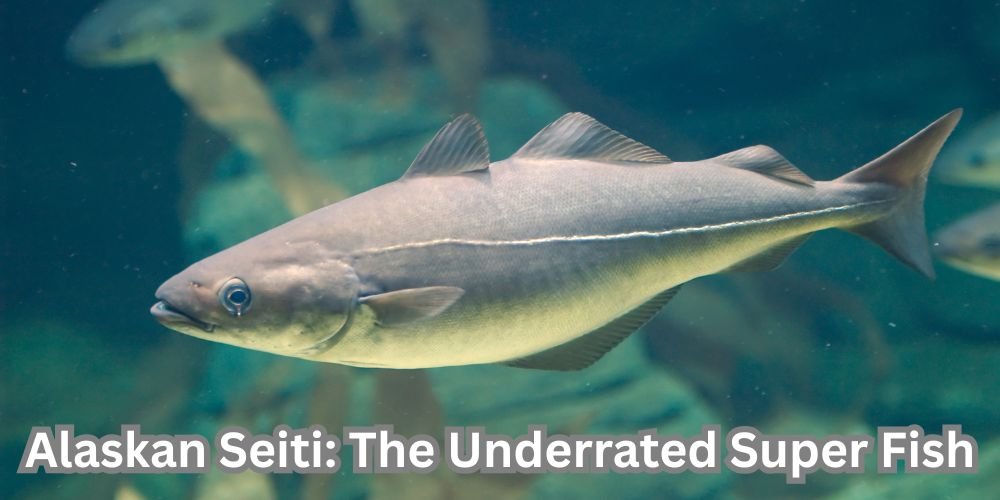
If you’ve never heard of Alaskan Seiti, you’re not alone. But here’s the thing—this modest white fish is quietly winning over chefs, nutritionists, and home cooks around the world. Known scientifically as Alaska Pollock, this fish offers an impressive blend of nutritional value, sustainability, and affordability that’s hard to beat.
So why isn’t everyone talking about it? That’s exactly what we’re here to explore. From its omega-3 packed profile to its eco-friendly fishing practices, Alaskan Seiti deserves a spot on your plate—and in your weekly meal rotation.
What Exactly Is Alaskan Seiti (Alaska Pollock)?
The name “Seiti” is commonly used in certain regions to refer to Alaska Pollock, a white fish that thrives in the cold waters of the North Pacific and Bering Sea. Its scientific name is Gadus chalcogrammus, and it’s a member of the cod family.
In Indian markets and kitchens, this fish often appears under various regional names, but “Alaskan Seiti” has stuck as a popular identifier. Unlike other white fish such as cod or tilapia, Alaska Pollock has a milder flavor and a flakier texture, making it incredibly versatile in cooking.
What sets Alaskan Seiti apart from similar seafood options is its balance—it’s not overly fishy, it cooks quickly, and it absorbs marinades and spices beautifully. Whether you’re grilling, baking, or pan-frying, this fish adapts with ease.
Nutritional Breakdown of Alaskan Seiti
Let’s talk numbers. When it comes to nutritional content, Alaskan Seiti punches well above its weight class.
| Nutrient | Per 100g (Cooked) |
| Calories | ~92 calories |
| Protein | ~20g |
| Fat | ~1g |
| Omega-3 Fatty Acids | ~0.5g |
| Vitamin B12 | ~40% of Daily Value |
| Selenium | ~35% of Daily Value |
| Phosphorus | ~20% of Daily Value |
With just 92 calories per 100g, this fish is remarkably low in fat while being rich in protein. It’s an excellent source of vitamin B12, which supports brain function and energy production, and provides a solid dose of omega-3 fatty acids—those essential fats your heart and brain absolutely love.
Compared to other popular fish, Alaskan offers similar protein levels to cod but with slightly fewer calories. Tilapia may be cheaper in some markets, but it doesn’t match the omega-3 content or the sustainability credentials of pollock.
Health Benefits of Alaskan Seiti
The health benefits of including this fish in your diet are genuinely impressive.
Heart and Brain Health
Thanks to its omega content, Alaskan Seiti supports cardiovascular wellness by reducing inflammation and improving cholesterol levels. Omega-3 fatty acids are also crucial for brain development and cognitive function, making this fish a smart choice for all ages.
Weight Management
With a calorie count this low and protein this high, it’s no wonder dietitians recommend Alaska Pollock for anyone managing their weight. Protein promotes muscle growth and keeps you feeling full longer, which helps curb unnecessary snacking.
Immune Support and Skin Benefits
The selenium and B vitamins found in this fish contribute to a stronger immune system and healthier skin. Selenium acts as an antioxidant, protecting cells from damage, while vitamin B12 aids in energy production and overall vitality.
Perfect for Athletes
For those focused on muscle development and recovery, Alaskan Seiti provides lean, high-quality protein without excess fat or calories. It’s a staple in many diet plans designed for athletes and fitness enthusiasts.
Is Alaskan Seiti Suitable for All Diets?
Short answer: yes, for most people.
Keto, Low-Carb, and High-Protein Diets
With virtually zero carbs and excellent protein content, this fish fits seamlessly into keto and low-carb eating plans. It’s a fantastic way to hit your daily protein goals without adding unnecessary fat or calories.
Diabetic-Friendly
Because it’s low in fat and free of sugar, Alaskan Pollock is a safe and healthy choice for individuals managing diabetes. It provides steady energy without spiking blood sugar levels.
Allergies and Restrictions
Like all seafood, those with fish allergies should avoid it. However, it’s generally well-tolerated and easy on digestion for most people. Plus, it’s naturally low in mercury compared to larger predatory fish like tuna or swordfish, making it a safer option for regular consumption.
The Sustainability and Sourcing Factor
Here’s where Alaskan Seiti really shines—sustainability.
Alaska Pollock fisheries are among the most responsibly managed in the world. Most sources are MSC certified, meaning they meet strict standards for sustainable fishing practices. The fish populations are carefully monitored, and fishing methods are designed to minimize environmental impact.
Choosing Alaskan means you’re supporting eco-friendly practices that protect ocean health for future generations. Compared to overfished species or farmed seafood with questionable practices, this fish offers peace of mind along with great nutrition.
The combination of affordability, nutritional value, and sustainability makes it a win for both your body and the planet.
Cooking Alaskan Seiti Like a Pro
Ready to get cooking? Whether you’re a kitchen novice or a seasoned chef, preparing this fish is straightforward and forgiving.
Prep Tips
Alaska Pollock typically comes as a fillet, either fresh or frozen. If using frozen, thaw it slowly in the refrigerator overnight for best results. Pat the fillet dry before cooking to ensure a nice sear or crisp exterior.
The texture is delicate and flaky, so handle it gently. It’s best cooked quickly over medium-high heat to preserve moisture and flavor.
Best Cooking Methods
- Baking: Gentle and foolproof
- Pan-frying: Adds a crispy, golden crust
- Soup: Infuses broth with subtle sea flavor
Flavor Pairing Suggestions
This fish has a mild flavor that pairs well with bold spices, citrus, garlic, and herbs. Think lemon butter, spicy paprika, or a tangy tomato-based sauce.
Alaskan Seiti Uunissa (Pollock in the Oven)
Preheat your oven to 180°C (350°F). Place the fillet on a baking sheet lined with parchment paper. Drizzle with olive oil, season with salt, pepper, and your favorite herbs. Bake for 12-15 minutes until the fish flakes easily with a fork. This method is healthy, hands-off, and delivers consistent results.
Alaskan Seiti Pannulla (Pan-Fried Pollock)
Heat a non-stick pan with a bit of oil or butter. Season the fillet and cook for 3-4 minutes per side until golden and crispy. Pan-fried pollock is perfect for a quick weeknight dinner and pairs beautifully with roasted vegetables or a fresh salad.
Alaskan Seiti Keitto (Pollock Soup)
Simmer the fillet in a light broth with onions, carrots, and potatoes. Add a splash of cream or coconut milk for richness. This comforting soup is popular in Nordic cuisine and highlights the delicate flavor of the fish.
Alaskan Seiti Ohje (Step-by-Step Cooking Instructions)
- Thaw and pat dry the fillet
- Season with salt, pepper, and spices
- Choose your cooking method (baked, pan-fried, or soup)
- Cook until the fish is opaque and flakes easily
- Serve immediately with your choice of sides
Buying, Pricing, and Storage Tips
How to Choose Fresh or Frozen
Fresh Alaska Pollock should have a clean, ocean-like smell—not fishy or sour. The flesh should be firm and slightly translucent. Frozen options are often just as nutritious and more convenient. Look for individually wrapped fillets for easy portioning.
Current Market Price and Availability
One of the biggest draws of this fish is its affordability. Compared to salmon or tuna, Alaskan Seiti offers affordable nutrition without compromising on health benefits. Prices vary by region and supplier, but it’s generally one of the most budget-friendly seafood options available both locally and online.
Proper Storage and Shelf Life
Store fresh fish in the coldest part of your refrigerator and use within 1-2 days. Frozen pollock can last up to 6 months if stored properly in an airtight container. Always label and date your packages to ensure freshness.
My Week with Alaskan Seiti (Personal Experience Section)
Curious about what it’s like to eat this fish regularly? One home cook decided to include Alaskan Seiti in their meals for an entire week—and the results were eye-opening.
By day three, they noticed steady energy levels throughout the day, likely thanks to the high protein and B vitamins. The mild flavor made it easy to experiment with different recipes without getting bored. From spicy curries to simple lemon-garlic preparations, every meal felt fresh and satisfying.
The best part? The price made it easy to stick with. Affordable fish that doesn’t sacrifice taste or nutrition is a rare find, and this experiment proved that Alaskan Seiti delivers on all fronts.
The Underrated Gem of the Sea
So why isn’t Alaskan Seiti as famous as salmon or tuna?
Part of it comes down to marketing. Salmon has a bold flavor and vibrant color that photographs well. Tuna has cultural cachet and a strong presence in sushi culture. But Alaska Pollock? It’s the quiet achiever—affordable, sustainable, and packed with nutrients, yet it doesn’t get the same spotlight.
The truth is, this fish has enormous potential in global diets. As more people seek out eco-friendly, budget-conscious, and healthy protein sources, Alaskan Seiti is poised to become a household name. It checks all the boxes: it’s good for your body, good for your wallet, and good for the planet.
Conclusion
Alaskan Seiti is the kind of fish that deserves a second look—or maybe a first one. With its impressive nutritional profile, sustainable sourcing, and incredible versatility in the kitchen, it’s a smart addition to any diet.
Whether you’re following a keto plan, looking to build muscle, or simply want to eat more seafood without breaking the bank, this underrated fish has you covered. From baked preparations to hearty soups, the recipe possibilities are endless.
FAQs
1. Is Alaskan Seiti high in mercury?
No, Alaska Pollock is considered low in mercury, making it safe for regular consumption.
2. How many calories are in 100g of Alaskan Seiti?
It contains approximately 92 calories per 100g when cooked.
3. Is Alaskan Seiti good for weight loss?
Yes, it’s low in fat and calories while being high in protein, making it ideal for diet plans.
4. What’s the best way to cook Alaskan Seiti?
Baking, pan-frying, and adding it to soup are all excellent cooking methods.
5. Is Alaska Pollock sustainably sourced?
Yes, most Alaska Pollock fisheries are MSC certified and follow eco-friendly sustainable fishing practices.

