
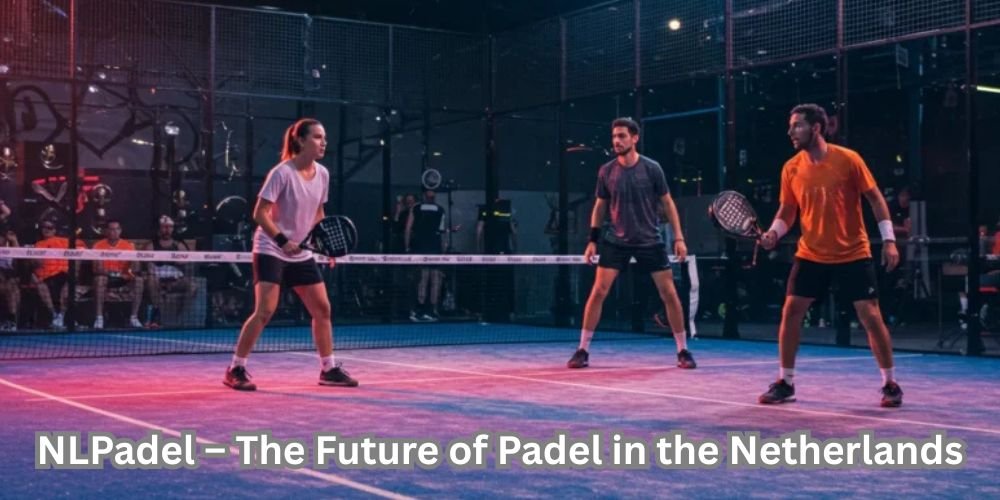
The sport of padel has experienced remarkable growth across Europe and beyond, with the Netherlands emerging as one of its most exciting markets. NLPadel stands at the center of this transformation, representing more than just courts and matches—it embodies a complete lifestyle movement that resonates with Dutch values of accessibility, innovation, and community.
Introduction – Why NLPadel Is Taking Over the Netherlands
Padel’s rise in the Netherlands reflects a perfect alignment between sport and society. What started as an unfamiliar import has become a cultural phenomenon embraced by everyone from teenagers to seniors. Dutch people have discovered in padel a game that fits seamlessly into modern urban life, offering the ideal blend of fitness, social connection, and enjoyment.
NLPadel has become synonymous with this revolution. The organization’s approach prioritizes inclusion and participation over exclusivity, making courts accessible across cities from Rotterdam to The Hague, from Amersfoort to smaller municipalities. This rapid expansion reflects genuine demand for sports that offer more than physical exercise—people seek experiences that build friendships, reduce stress, and integrate naturally into busy schedules.
What Makes NLPadel Different?
NLPadel distinguishes itself through a philosophy that treats padel as lifestyle enhancement rather than mere recreation. The blend of sport, social interaction, and entertainment creates environments where people come for the game but stay for the community. Courts with glass walls become gathering spaces where the sound of rallies mixes with laughter and conversation.
Accessibility defines every aspect of operations. Whether someone picks up a racket for the first time or competes in tournaments, NLPadel provides pathways for growth. The emphasis on doubles naturally fosters teamwork and bonding, creating opportunities for communication and friendship that extend beyond matches. This inclusive approach ensures diversity and equality across age groups and backgrounds, making padel genuinely welcoming to all.
The History and Rapid Growth of Padel in the Netherlands
The origin of padel dates to 1969, but its arrival in the Netherlands marks a recent chapter. During the 1980s and 1990s, the sport remained largely unknown. The 2010s brought initial exposure through international travel, particularly to Spain, Mexico, and Argentina where padel thrived. The 2020s witnessed explosive growth as infrastructure expanded rapidly across the country.
NLPadel played a central role in this expansion timeline. Key milestones included partnerships with regional authorities for city development, establishment of federations and training centers, and launch of national teams competing in European leagues. The combination of government funding and private investors accelerated adoption, with participation rate climbing month after month. Local councils recognized padel’s potential for community engagement, allocating resources for facilities in parks and public spaces.
NLPadel and the Dutch Urban Lifestyle
Urban planning in the Netherlands emphasizes livability, and padel has become integral to this vision. Courts are transforming city spaces, with rooftop installations maximizing limited real estate in residential projects. Municipal support enables multi-use facilities that serve as recreation zones and social hubs.
The integration into urban life reflects how naturally padel fits modern schedules. People play during lunch breaks, evening sessions, or weekends without disrupting their lifestyle. Partnerships between NLPadel and local communities create infrastructure that enhances neighborhoods while supporting public health goals. Commercial integration includes retail spaces offering gear, bags, shoes, and accessories from brands like Wilson, Head, Babolat, Adidas, and Nike.
The Social Side of NLPadel – Building Real Connections
Padel’s reputation as a social activity stems from its doubles format, which requires coordination and naturally builds friendship. NLPadel amplifies this through community events, collaborations with local businesses, and programming that emphasizes networking and bonding. Members report that courts have become their primary social outlets, replacing traditional gatherings with experiences that combine exercise and connection.
The mental health benefits emerge from this blend of physical activity and social interaction. Stress relief happens naturally in atmospheres filled with enthusiasm and enjoyment. Programs serve various demographics—seniors find generational participation opportunities, youth develop discipline and strategy, and families strengthen relationships through shared play.
NLPadel and Dutch Youth – A New Generation of Players
Youth development represents a strategic priority for NLPadel. Programs in schools integrate padel into physical education, while dedicated academies provide coaching from certified professionals. Training centers offer classes that balance technical instruction with fun, maintaining the curiosity that attracts young people to sport.
The benefits extend beyond athletics. Padel develops agility, reflexes, and coordination while teaching strategic thinking and resilience. Young players learn about discipline and teamwork, gaining communication skills valuable throughout life. Physical benefits include improved cardiovascular health, stamina, and flexibility. The organization’s emphasis on inclusivity ensures all teenagers find welcome, with affordability initiatives removing financial barriers for families.
Technology’s Role in the Rise of NLPadel
Digital transformation has been essential to NLPadel’s success. Booking systems and apps simplify facilities reservation, while online platforms allow players to check availability and plan schedules effortlessly. This convenience removes friction that might discourage participation.
Smart equipment and courts represent innovation’s cutting edge. Sensors track match data in real-time, providing analytics about ball speed, player moves, and patterns. Artificial intelligence offers analysis tools that evaluate technique and suggest improvements. Wearables integration connects padel to health tracking, monitoring heart rate, calories, and cardiovascular metrics. The digital ecosystem extends to fan experience through live streaming, highlights, and content shared across social media platforms.
How Social Media Is Fueling NLPadel’s Popularity
Social media has become NLPadel’s most powerful marketing tool. Instagram serves as the primary platform for sharing photos and videos, while TikTok reaches younger demographics with viral clips. Influencers and athletes create authentic content that drives awareness and curiosity.
Digital storytelling through blogs, podcasts, and online articles provides depth beyond sports journalism. YouTube channels offer instruction and commentary, while forums create spaces for discussion. This media coverage generates exposure that increases visibility and builds fanbase loyalty. The result is a self-reinforcing cycle where social media engagement drives real-world participation, which generates more content creation.
The Economics of NLPadel – Public and Private Investment
The financial ecosystem combines government initiatives with private capital. Municipal authorities allocate funding for public facilities that support wellness and community engagement. Private investors recognize strong demand and revenue potential, launching start-ups focused on facility management, equipment production, and various aspects of the padel economy.
Franchising enables rapid expansion while maintaining quality standards. Sponsorships from sports brands provide financial support for tournaments and leagues. The broader sport economy benefits through retail sales, construction projects, and tourism sector development. This economic multiplier effect creates job creation and contributes to sustainable growth across multiple industries.
NLPadel vs. Other Sports – Why It Fits Modern Lifestyles
Compared to tennis, padel offers advantages that resonate with contemporary preferences. The smaller court and enclosed walls make the game more forgiving for beginners. The doubles format ensures social interaction, contrasting with tennis’s singles emphasis. Unlike squash played in windowless rooms, padel courts with transparent glass create audience connection and social atmosphere.
While gym culture dominates fitness, many find repetitive workouts monotonous. Padel provides cardio, strength training, and stamina building within a game structure that maintains interest. For time-conscious professionals, sessions deliver a comprehensive workout with efficiency that modern lifestyles demand. The built-in social component addresses challenges around connection while providing balance between physical activity and relationship building.
NLPadel for Health, Fitness, and Mental Well-being
Physical benefits span comprehensive fitness dimensions. The cardiovascular demands improve heart rate, health and endurance. Constant movement builds agility, coordination, and reflexes while strengthening muscle and protecting joints. The low-impact nature makes padel suitable for people concerned about long-term joint health, from active adults to seniors maintaining mobility.
Mental health benefits equal physical ones. The combination of exercise, social engagement, and strategic challenge provides natural stress reduction. Players report leaving courts feeling energized, with matches creating positive emotions and temporary mental rest from daily pressures. Doctors and fitness experts increasingly recommend padel as part of wellness programs, recognizing how it addresses multiple well-being dimensions simultaneously.
NLPadel Tournaments, Leagues, and Global Recognition
The competitive structure has matured rapidly. Local tournaments provide amateur players with competition experience, while championships at various levels ensure appropriate challenges for different abilities. National teams represent the Netherlands in European leagues, competing against Spain, Italy, Sweden, and other countries. Dutch players have achieved respectable rankings in global standings, with several emerging as professional-level athletes.
Tournaments ranking systems create structure and motivation. Media rights have gained value as broadcasting attracts viewers, with streaming services providing access to matches across Europe and Latin America. This global exposure connects the Netherlands to the worldwide padel ecosystem while demonstrating the country’s innovation leadership.
The Business and Career Opportunities in NLPadel
The padel ecosystem creates diverse employment opportunities. Coaching represents visible career paths, with certified professionals working at academies and clubs. Facility management and operations employ teams handling customer service, maintenance, and club administration. Equipment retail supports both established brands and specialized companies.
Entrepreneurship flourishes within the growth phase. Business development professionals identify locations for new facilities and secure investment. Start-ups innovate around analytics software, content platforms, and digital communities. Marketing, branding, and media careers expand alongside the sport, with sponsorships requiring account managers and events industry professionals organizing tournaments. These opportunities attract ambitious individuals seeking ventures in a rising market.
Where NLPadel Is Headed – Future Trends and Predictions
The future appears extraordinarily promising based on current trends. Growth predictions suggest continued expansion in participation and infrastructure, with plans to add facilities in underserved areas. Sustainability in court design will incorporate eco-friendly materials and energy-efficient systems, aligning with Dutch values around environmental responsibility.
Technology trends point toward virtual reality and augmented reality providing immersive training tools and fan experiences. Wearables integration will become more sophisticated, offering real-time coaching feedback. Innovation positions the Netherlands to export its padel model globally as markets in North America, Asia, and the Middle East develop. Investment in youth development should yield athletes capable of competing at the highest international levels, potentially making padel a defining element of Dutch sports identity recognized worldwide.
Why NLPadel Is More Than Just a Sport
NLPadel has created something larger than courts and players—a shared sense of belonging and cultural identity. The movement represents local empowerment through grassroots approaches that give communities voice in how facilities function. This participation creates ownership and pride that strengthen social fabric.
The lifestyle dimensions extend into how people structure their time and priorities. Regular players reorganize schedules around padel, making it central to their rhythm. The sport influences social networks, with friendships often becoming primary relationships. Values promoted—inclusivity, health, social bonding, enjoyment—align with broader aspirations about good society, demonstrating how competition and cooperation can coexist productively.
Conclusion
NLPadel stands as testament to how sport can catalyze transformation across social, cultural, and economic dimensions. What began as an unfamiliar game has become a defining feature of Dutch life, reshaping urban spaces and social dynamics. The organization’s success reflects understanding that modern people seek connection, convenience, health benefits, and entertainment woven together in accessible formats.
The future promises continued evolution as technology, sustainability, and global expansion create new possibilities. More than growing a sport, NLPadel builds community, improves wellness, creates opportunity, and demonstrates that innovation and tradition can coexist. Whether measured in courts built, players engaged, jobs created, or connections forged, the impact proves substantial. The movement represents exactly what contemporary society needs—active lifestyles that strengthen both body and social bonds while remaining genuinely fun and engaging for everyone involved.

