

Power runs almost everything in a business facility. Lights, computers, machines, security systems, and cooling units all depend on it. When the power goes out, work can stop in seconds. Orders may be delayed. Data can be lost. Customers may turn away.
That is why backup power is not just a nice extra. It is a smart plan for safety and stability. If you own or manage a business facility, keep reading to learn what you should know about reliable backup power solutions.
Why Backup Power Matters
Power outages can occur at any time. Storms, grid failures, and equipment problems are common causes. Even short outages can create big problems.
In offices, lost power may shut down computers and servers. In warehouses, it can stop loading systems. In medical or food facilities, it can risk safety and health.
Backup power keeps key systems running. It protects your work, your staff, and your customers. It also helps your business recover faster after an outage.
Types of Backup Power Systems
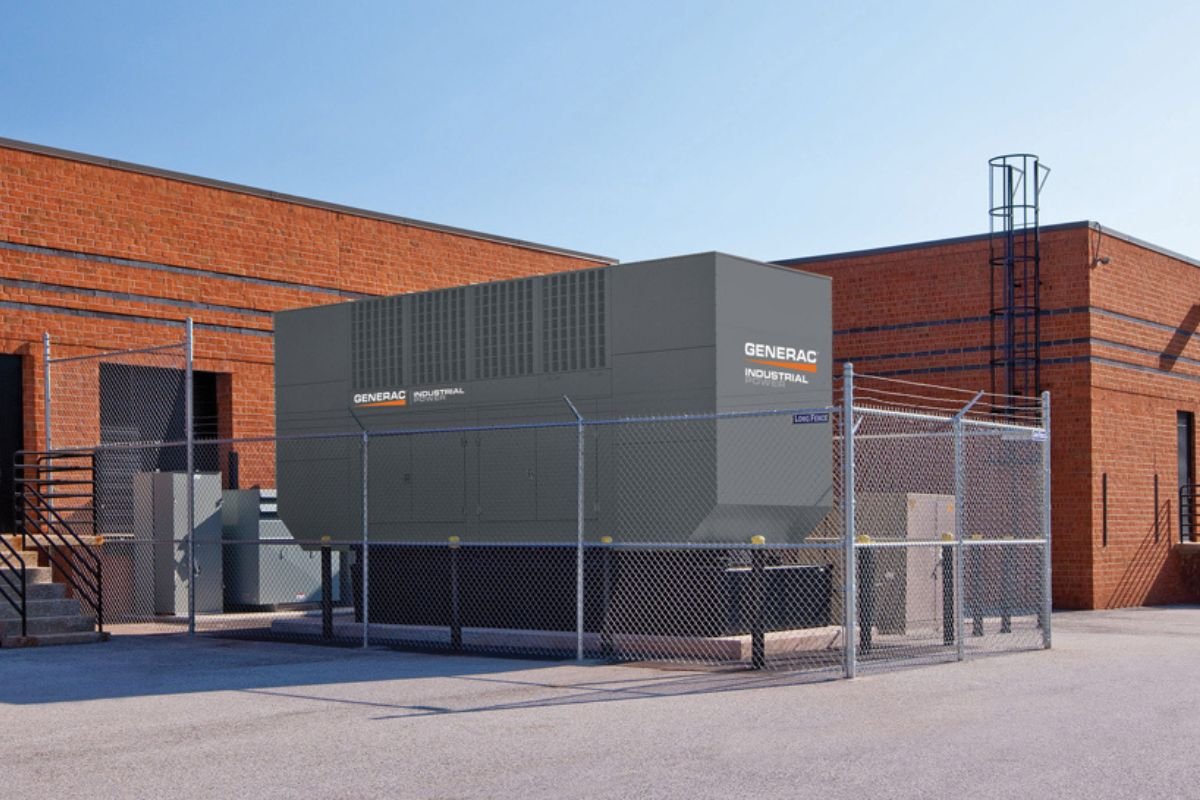
There are different ways to provide backup power. Generators are one of the most common solutions. They can run on diesel, natural gas, or propane. When the main power fails, the generator starts and supplies electricity.
Uninterruptible power supply systems, also called UPS units, provide short-term power. They are often used to protect computers and servers. A UPS gives you time to save data and shut down equipment safely.
Some facilities use battery storage systems. These systems store energy and release it when needed. Each option has benefits depending on your building size and power needs.
Choosing the Right System for Your Facility
Not all businesses need the same level of backup power. A small office may only need protection for computers and lighting. A large factory may need full building coverage.
Start by listing your critical systems. Decide which equipment must stay on during an outage. This may include security cameras, refrigeration, or production machines.
Working with a qualified Commercial and Industrial Electrical Contractor can help you assess your load requirements and select the right system. Professional guidance ensures that the system is sized correctly and installed safely.
Planning for Installation and Maintenance
Installing a backup system requires careful planning. The unit must connect properly to your building’s electrical system. Safety codes and local rules must also be followed.
After installation, regular maintenance is key. Generators need fuel checks, oil changes, and testing. Batteries must be inspected to ensure they hold a charge.
Routine testing helps confirm that the system will work when needed. A backup system is only helpful if it performs during a real outage.
Budget and Long-Term Value
Backup power systems require an upfront investment. Costs vary based on size, fuel type, and installation needs. While the price may seem high at first, the long-term value often outweighs the cost.
Power loss can lead to damaged equipment, lost data, and missed sales. In some cases, it can harm your reputation. Reliable backup power reduces these risks and supports business continuity.
Over time, this protection can save money and build trust with clients.
Keeping Your Business Running Strong
Power outages are unpredictable, but your response does not have to be. Backup power solutions give business facility owners peace of mind and greater control.
By understanding your needs, choosing the right system, and maintaining it well, you protect your operations from sudden disruption. With a solid backup plan in place, your business can stay strong, steady, and ready for whatever comes next.
For more on this content, visit the rest of our blog!

