

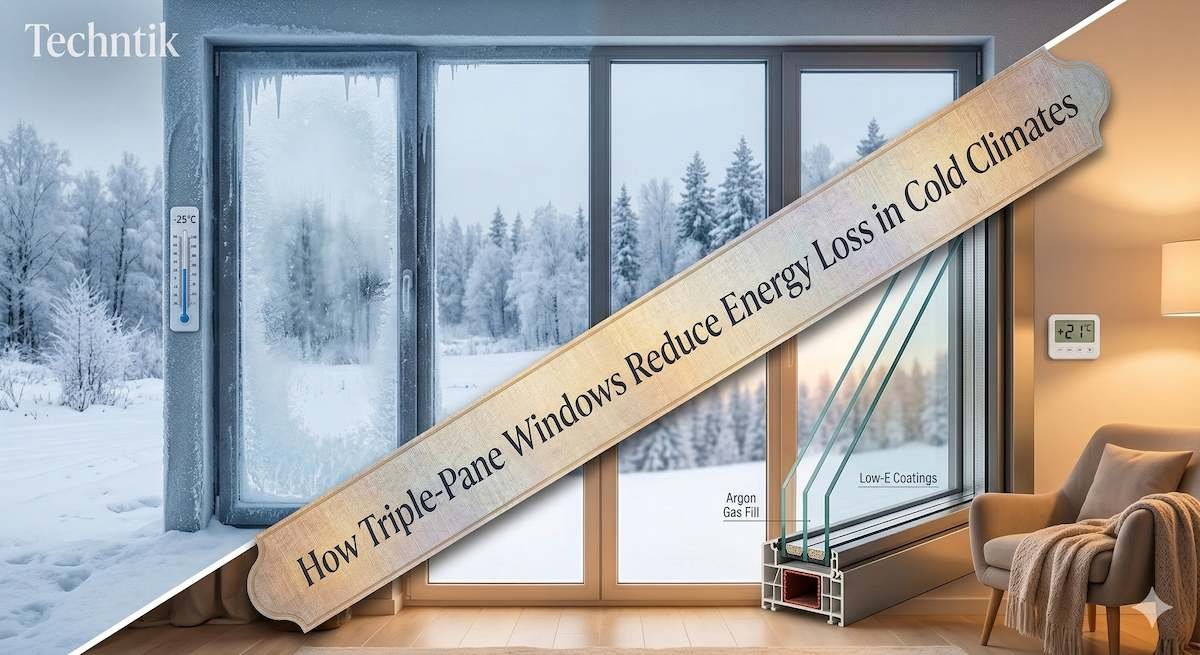
Homeowners in northern regions have long battled the same problem: windows that let heat escape during winter and let it flood in during summer. While double-pane windows were the go-to upgrade for decades, triple-pane technology has shifted the conversation. With three layers of glass, insulating gas fills between each pane, and low-emissivity coatings, these windows are engineered to minimize thermal transfer in ways that older designs simply cannot match.
The Science Behind the Third Pane
A standard double-pane window uses two sheets of glass separated by a sealed air gap, usually filled with argon gas. This design slows conductive heat loss compared to a single pane. Triple-pane windows add another glass layer and a second gas-filled chamber, creating two separate thermal barriers instead of one.
The result is a dramatic improvement in insulation. A typical double-pane window achieves an R-value around 3.0 to 3.5. A triple-pane window with low-E coatings and argon fill can reach R-values of 5.0 to 7.0 or higher. In practical terms, that means the window loses roughly half as much heat as its double-pane counterpart.
Low-emissivity coatings play a critical role here. These microscopically thin metallic layers are applied to the interior glass surfaces, where they reflect infrared radiation back into the home. In a triple-pane unit, manufacturers can apply multiple low-E coatings across different surfaces, optimizing performance for specific climates.
Real-World Performance in Cold Climates
Laboratory R-values only tell part of the story. In regions where winter temperatures regularly drop below -15 degrees Celsius, the inner surface temperature of a window matters just as much as its insulation rating. Cold interior glass creates drafts, condensation, and uncomfortable spaces near windows.
Triple-pane windows keep the interior glass surface significantly warmer. Where a double-pane window might have an inner surface temperature of 8 to 10 degrees Celsius when it is -20 outside, a triple-pane unit can maintain 14 to 16 degrees on that same surface. That difference eliminates the cold draft effect and virtually stops condensation from forming.
This matters for more than just comfort. Condensation on window frames leads to mould growth, wood rot, and premature frame deterioration. By keeping surfaces above the dew point, triple-pane windows protect the building envelope over the long term.
Energy Savings and Payback Period
The cost premium for triple-pane over double-pane typically ranges from 15 to 25 percent, depending on the frame material and glass options selected. For a full home replacement, that might add $2,000 to $5,000 to the total project cost.
However, the energy savings in cold climates can be substantial. Homes in Ontario, Quebec, and the Prairie provinces often see heating bill reductions of 10 to 20 percent after upgrading from older double-pane or single-pane windows to triple-pane units. Government incentive programs like Canada’s Greener Homes initiative can offset a portion of the upfront cost, shortening the payback period to five to eight years in many cases.
Ontario-based window specialists like Optima Windows & Doors have reported growing demand for triple-pane configurations, particularly among homeowners replacing windows in older homes where energy loss through glazing accounts for a significant share of total heat loss.
Choosing the Right Configuration
Not every triple-pane window is created equal. The gas fill matters: argon is standard and cost-effective, while krypton provides better insulation in thinner profiles but costs more. Spacer bars between the panes should be warm-edge designs rather than aluminum, which conducts heat and creates a thermal bridge at the glass edge.
Frame material also affects overall performance. Vinyl frames with multi-chamber construction offer strong insulation at a reasonable price point. Fiberglass frames provide similar thermal performance with added structural strength, making them a good choice for larger window openings.
For homeowners weighing the upgrade, the decision often comes down to climate severity and how long they plan to stay in the home. In regions with 5,000 or more heating degree days annually, triple-pane windows deliver a return that double-pane units cannot match. The technology has matured, costs have come down, and the performance gap continues to widen as manufacturers refine their designs.

