

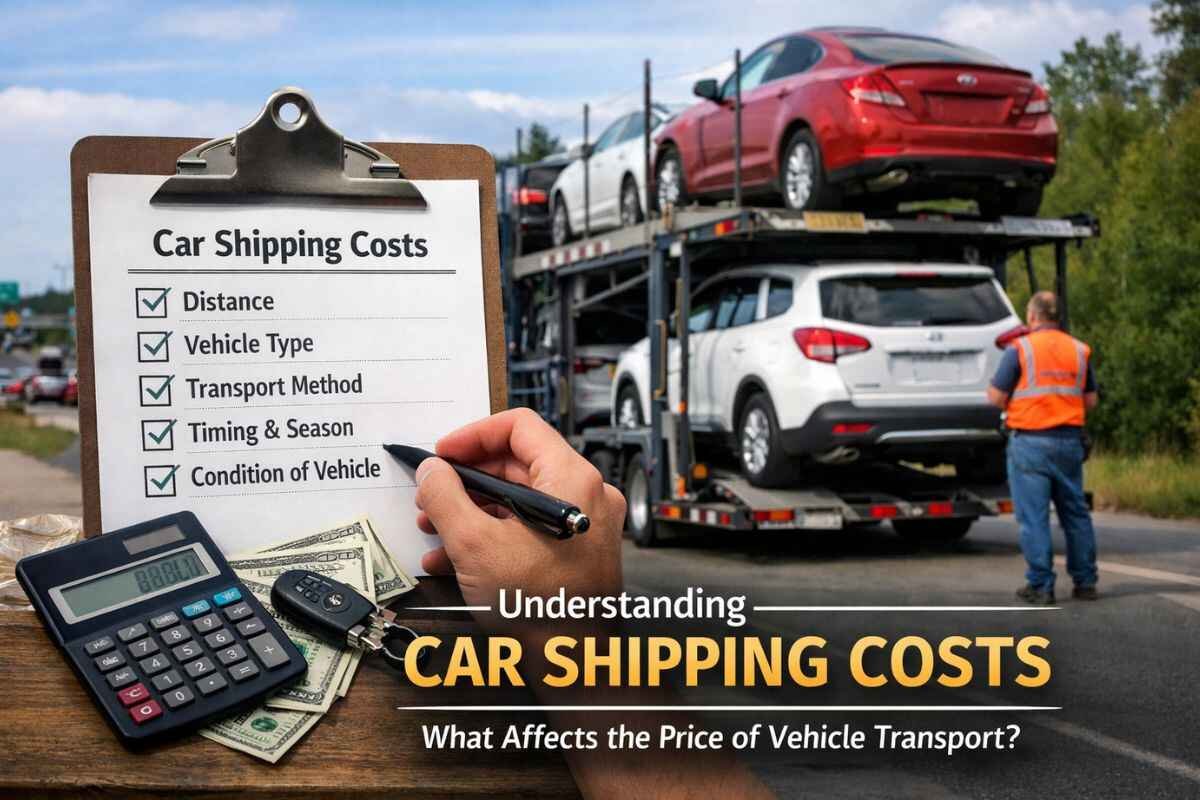
When it comes to transporting a vehicle over long distances, the cost can often lead to confusion. Everyone is uncertain about how much they will have to pay. People appreciate the confidence that comes with clarity and the ability to make decisions. Being aware of factors affecting the cost of shipping will make sure you are never blindsided. Let us learn more about car shipping costs.
Distance and Location Matter
Shipping costs are largely influenced by the number of miles between the drop-off and pick-up locations. Higher payments are typically needed for longer trips. Remote locations are likely to cost more since it takes longer and uses more gas to travel a substantial distance. Because urban areas have more modes of transportation available, fees are occasionally reduced. Thus, it is advisable to calculate car shipping costs beforehand to have a fair estimate.
Vehicle Type Influences Price
The car size and weight are also important factors in price calculation. Large pickups or heavy-duty vans tend to occupy more space on carriers. Such vehicles may need special treatment, which adds cost. They are also smaller vehicles, usually hatchbacks or small sedans, which are less expensive to ship.
Transport Method Affects Cost
Open carriers and enclosed trailers are two available transport types. Open carriers that leave the cars exposed to the elements are generally the least expensive. While often carrying a charge higher than standard trailers, enclosed trailers afford better protection from the elements and keep cars more secure and private. Which to choose depends on your budget and the car’s worth.
Timing and Season Impact Shipping Rates
There are specific times of the year when pricing for auto transport is impacted. Demand always peaks during the busy seasons, such as summer or holidays. This greater demand for services typically results in higher costs. Scheduling a shipment in the low season should reduce the final cost.
Condition of the Vehicle
The condition of the vehicle will also impact the shipping cost. Vehicles that function properly are less of a hassle to load and offload. Non-running vehicles may also require the use of specialized equipment, raising the overall cost. With accurate information about the shape of the vehicle, there are no abrupt costs.
Pick-up and Delivery Preferences
The vehicle is shipped from terminal to terminal for standard delivery. It is typically cheaper, but it might require a bit more work from the recipient. Door-to-door service is more expensive since it picks up and delivers the vehicle directly to specified locations. Despite the surcharge, many prefer this convenience.
Insurance and Added Services
Insurance coverage is an important factor in every shipment. Most transport services offer some level of basic protection, in terms of coverage, though many customers will pay extra for more insurance if that makes them feel better. Additional services, such as secured delivery dates and storage, add to the base price. Identifying the extras that matter may help manage costs.
Getting an Accurate Quote
A few quotes from reputable transporters give an idea of prevailing pricing in the market. Quick estimates are even easier with online calculators, but specific information about the vehicle and the specifics of the route are needed to get an accurate figure. By going through multiple offers, a person is able to compare not only prices but also the services offered as well.
Avoiding Hidden Charges
Even low shipping quotes may not include fees. So it is essential to be aware of hidden costs. Some hidden costs may be fuel surcharges, tolls, or sudden changes. Reading the fine print and clarifying questions helps avoid surprises on the bill due to unexpected, sneaky fees. Peace of mind is derived from transparency from the transporter of choice.
Final Thoughts
By factoring in each of these factors, calculating car shipping costs becomes pretty easy. The cost of transporting a car is affected by distance, type of vehicle, transport method, and timing. A careful read-through of the terms and comparing quotes helps to remove a lot of the ambiguity. You can avoid any surprises by booking in advance and providing accurate information, as this will help ensure affordability and facilitate a seamless process.

