

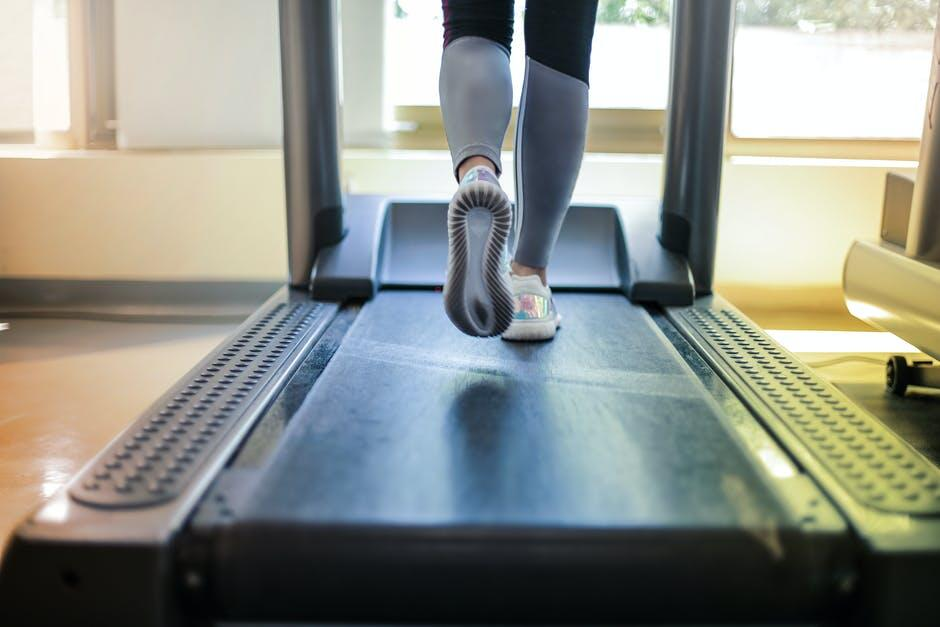
Endurance training needs time, patience, and the right tools. A treadmill can help athletes build stamina in a steady and controlled way. It allows training even when outdoor running is not possible, and this makes it a key part of many endurance programs.
Choosing the right treadmill can improve both comfort and performance. The right features help support long runs, interval training, and recovery days. It also helps you stay consistent with your routine.
Continue reading to discover everything you need to know.
Why Treadmills Matter for Endurance Training
Endurance training is all about building long-term stamina. A treadmill helps you control pace and distance with accuracy. This makes it easier to follow structured training plans.
It also removes outside distractions like weather or traffic. With a treadmill, athletes can focus on steady improvement.
It supports repeated long runs without interruption. This helps build mental strength as well as physical endurance. It becomes a reliable tool for daily training.
Motor Strength and Smooth Performance
Motor strength is one of the most important treadmill features. A strong motor allows long-distance runs without slowing down. This is important for endurance athletes who train for extended periods.
Weak motors may overheat or struggle under pressure. Smooth performance is also important for rhythm.
A steady belt helps maintain consistent pacing. This reduces strain and improves running efficiency. It also allows athletes to focus fully on form and breathing.
Cushioning for Long-Distance Comfort
Cushioning plays a big role in endurance training. Long runs can place stress on joints and muscles. A well-cushioned treadmill reduces impact and protects the body; this helps prevent injuries over time.
Good cushioning also improves comfort during long sessions. It allows athletes to run longer without pain or fatigue, and this supports more consistent training schedules. Comfort leads to better focus and stronger results.
Incline Training for Strength Building
Incline training helps simulate real outdoor conditions. It creates resistance that builds leg strength and stamina. Even small incline changes can make a big difference, and this improves endurance over time.
It also helps improve running form. Athletes learn to maintain posture under pressure, and this builds better control and balance. It prepares the body for different race environments.
Stability and Frame Durability
A stable treadmill is important for safe endurance training. It should not shake during long or fast runs. A strong frame keeps the machine steady and secure, even under heavy use, and this helps athletes stay focused and confident during every workout.
Durability is also essential for long-term training. Endurance programs involve frequent and repeated sessions each week. A well-built treadmill can handle this constant demand without wearing down or losing performance.
Over time, it becomes a reliable part of a serious training routine. At this level of training quality, many athletes rely on SOLE Fitness for consistent strength and stability.
Speed Control and Training Variety
Speed control is essential for structured endurance training. Athletes need to train at different paces for improvement. A treadmill should offer smooth and easy speed adjustments, and this helps during interval and tempo runs.
Training variety keeps workouts effective and engaging. Switching speeds challenges the body in new ways. It improves both stamina and recovery speed, and this leads to better race performance.
Built-In Training Programs
Many treadmills offer built-in workout programs. These programs guide athletes through structured sessions. They can include long runs, intervals, and hill workouts, and this makes training easier to follow.
These programs also reduce planning stress. Athletes can simply select a workout and start running, and it helps maintain consistency in training schedules. Over time, this leads to steady improvement.
Smart Tracking and App Integration
Smart tracking helps athletes monitor progress clearly. It records distance, pace, and calories burned, and this gives a full view of training performance. It helps identify strengths and weaknesses.
App integration adds even more value. It allows data to be saved and reviewed over time. Athletes can track improvement across weeks or months, and this helps refine training plans for better results.
Heart Rate Monitoring for Better Control
Heart rate monitoring is important for endurance training. It shows how hard the body is working, and this helps athletes train in the right intensity zones. It also prevents overtraining.
Many treadmills include built-in heart rate sensors. Some also support chest strap devices for better accuracy, and this allows more precise control during workouts. It improves both safety and performance.
Running Surface Size and Comfort
Running surface size affects training comfort. A longer belt gives more space for natural movement, and this is important for taller athletes or faster speeds. It reduces the risk of missteps.
A wider surface also improves stability. It helps runners feel more secure during workouts, and this leads to better focus and smoother runs. Comfort plays a big role in endurance success.
Noise Level and Training Focus
Noise level is often overlooked but important. A quiet treadmill allows better concentration. It helps athletes focus on breathing and pacing, and this improves training quality.
Lower noise levels also make home training more comfortable. It reduces distractions for both the athlete and others in the home, and this supports longer and more peaceful workouts. Focus leads to better endurance results.
Recovery and Long-Term Performance
Recovery is a key part of endurance training. A good treadmill supports both hard and easy workouts. It allows slow recovery runs that help the body heal, and this prevents burnout and injury.
Over time, balanced training improves long-term performance. Athletes become stronger and more efficient. They can handle longer distances with less effort, and this builds lasting endurance strength.
It also helps maintain motivation by reducing physical strain during lighter sessions. Proper recovery keeps the body ready for the next workout. This balance is essential for steady progress and consistent endurance gains.
Final Thoughts on Choosing the Right Treadmill for Endurance Training
Choosing the right treadmill for endurance training is an important decision. Features like cushioning, incline, speed control, and stability all play a role. Each one supports better performance and safer training.
A well-designed treadmill helps athletes stay consistent and focused. It supports long runs, recovery sessions, and structured workouts. With the right setup, endurance training becomes more effective and sustainable over time.
Expand knowledge and check out more posts on our blog!
