

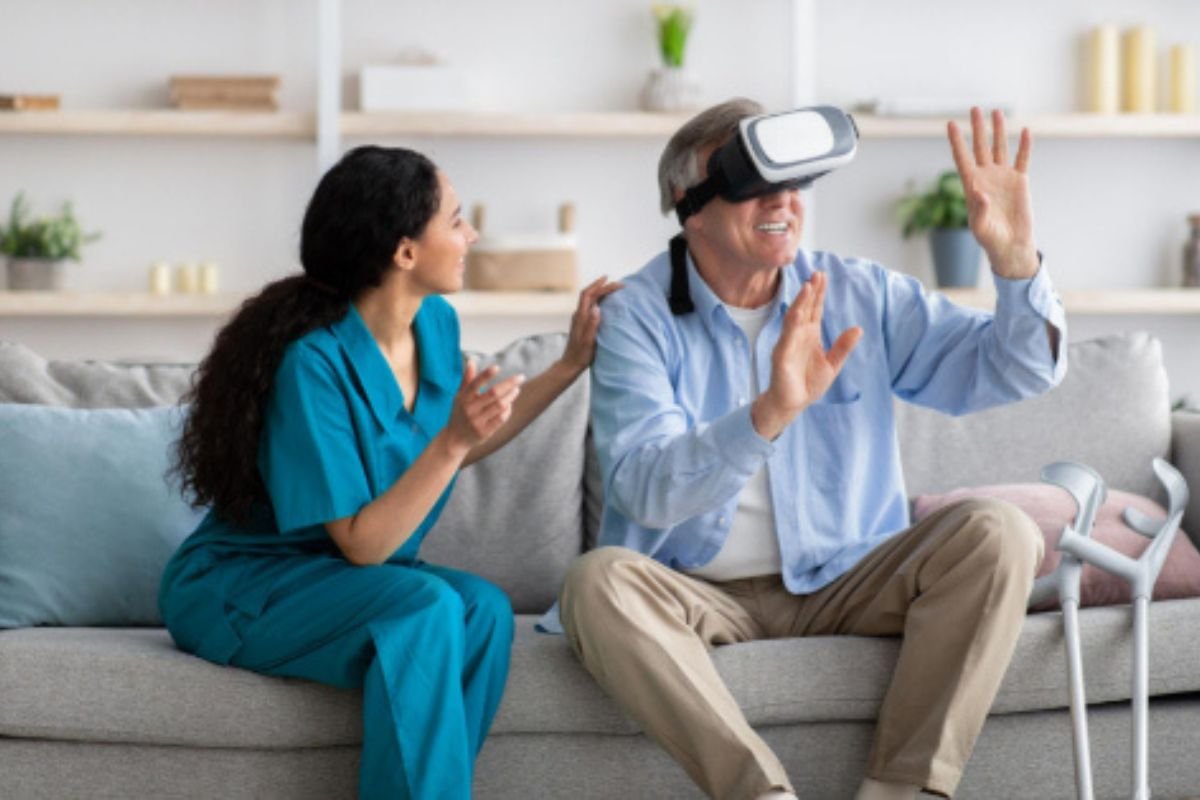
As our loved ones get older, many families struggle to give good care and help them stay independent. In-home care offers a way for seniors to remain in the comfort of their homes, surrounded by familiar environments. New technologies are enhancing this model, ensuring that seniors receive the support they need.
This combination of traditional care and modern tools is revolutionizing the way we think about in-home care, offering not just assistance but peace of mind for families.
Smart Home Devices
Smart home technology has taken the world by storm, and its impact on in-home care for seniors is undeniable. Smart devices, like thermostats, lights, and security systems, can be controlled from anywhere.
They can also be programmed to work automatically. For example, smart lights can mimic daily routines, turning on at dusk to help prevent falls.
Security devices also offer reassurance to families. Cameras and doorbell systems allow caregivers to monitor their loved ones remotely.
Knowing that they can check in and ensure everything is safe offers immense peace of mind. This technology alerts caregivers if something seems off. It detects unusual movement patterns or monitors for falls.
Wearable Health Technology
Wearable health devices are becoming increasingly popular among seniors. These gadgets track fitness and monitor vital signs.
They check heart rate, blood pressure, and sleep patterns. Smartwatches and health trackers give seniors and caregivers instant updates on their health.
Many wearables have emergency features. Seniors can alert caregivers or emergency services by pressing a button. This feature can save lives in emergencies.
It lets seniors move freely at home, knowing help is just a tap away. Having this technology also eases the minds of family members, knowing that their loved ones have quick access to support when needed.
Telehealth Services
Telehealth is revolutionizing how seniors access medical care. This technology lets people talk to healthcare professionals from home. Seniors can use a computer, tablet, or smartphone to talk to doctors, get diagnoses, and manage prescriptions online.
This convenience not only saves time but also reduces the stress that comes with traveling to appointments. For seniors with mobility issues or health concerns, telehealth can be a game-changer.
Regular check-ups become easier, promoting adherence to healthcare plans and enhancing overall health. This approach allows seniors to manage their health proactively, aligning with the goals of in-home care.
Medication Management Systems
Keeping track of medications can become increasingly complicated for seniors. Missed doses can lead to serious health problems.
Thankfully, innovative medication management systems help simplify this process. These systems can remind seniors when to take their medications. They can also dispense the right dosages automatically.
Some systems are equipped with smart technology that alerts caregivers if doses are missed. This monitoring helps stop medication mistakes. It also ensures seniors stick to their health plans.
A reliable way to manage medication helps seniors and their families relax. They can trust that their health needs are fully met.
For those considering options like live in care Wellington, evaluating how these innovations can fit into their caregiving plans is crucial. Embracing technology in in-home care offers peace of mind and helps create a happier life for seniors.
Emergency Response Systems
Unexpected emergencies can happen at any time, which is why emergency response systems play a crucial role in in-home care. These systems, often worn as pendants or bracelets, allow seniors to call for help at the push of a button. When activated, they connect the user to a trained operator who can summon assistance quickly.
This technology is a vital feature in any effective in-home care plan. Knowing help is just a call away gives seniors and their families great comfort. These devices provide a direct line to care, ensuring that seniors can live independently while receiving the support they need.
Home Monitoring Systems
Home monitoring systems utilize various sensors to track the movements and activities of seniors inside their homes. These systems can detect unusual behavior patterns, such as long periods of inactivity, which might indicate a problem. If an issue arises, caregivers can be immediately notified.
Unlike intrusive methods, home monitoring offers a discreet way to support seniors. It allows them to maintain their independence while caregivers can still get the peace of mind that comes from knowing someone is looking out for them. These systems help families feel connected, even from a distance, which is particularly important in today’s fast-paced world.
Robotic Companions
The introduction of robotic companions has added another layer to in-home care. Designed to provide companionship and assistance with daily tasks, these robots can engage seniors in conversation, remind them to take medications, and even help manage household chores.
Companions like these can help reduce feelings of loneliness and depression, which are common among seniors living alone. By providing interaction, these robots contribute not only to the physical health of seniors by assisting them but also to their mental well-being. As technology continues to advance, these robotic companions will play a more significant role in in-home care environments.
Adaptive Technologies for Communication
Open communication is essential, especially for seniors who may face isolation. Adaptive technologies, such as tablets with easy-to-use interfaces or voice-activated devices, make it easier for seniors to stay connected with loved ones. Video calls can enhance relationships, allowing families to share moments and support one another.
For those with hearing or speech difficulties, specialized tools have been developed to aid in communication. These adaptations ensure that barriers are lowered, letting seniors express themselves and remain engaged in their communities. When seniors feel connected to family and friends, their emotional health improves, making in-home care even more effective.
Enhancing Quality of Life Through Technology
Incorporating these technologies into in-home care is not just about keeping seniors safe; it’s about enhancing their overall quality of life. By utilizing various modern tools, caregivers can ensure seniors are cared for in ways that cater to both their physical and emotional needs. Families can rest assured that their loved ones are supported adequately.
Bringing these technologies into the in-home care model promotes independence, safety, and connection, which are vital for seniors. The integration of such features fosters a nurturing environment where seniors can thrive, easing concerns for families and caregivers alike.
The Future of In-Home Care for Seniors
As technologies continue to evolve, they promise to make in-home care even better for seniors. The benefits of these advancements extend beyond convenience; they ensure safety, independence, and emotional support. By adopting these essential technologies, families can provide their loved ones with high-quality care right in their homes.
Check our website for more ideas.

