

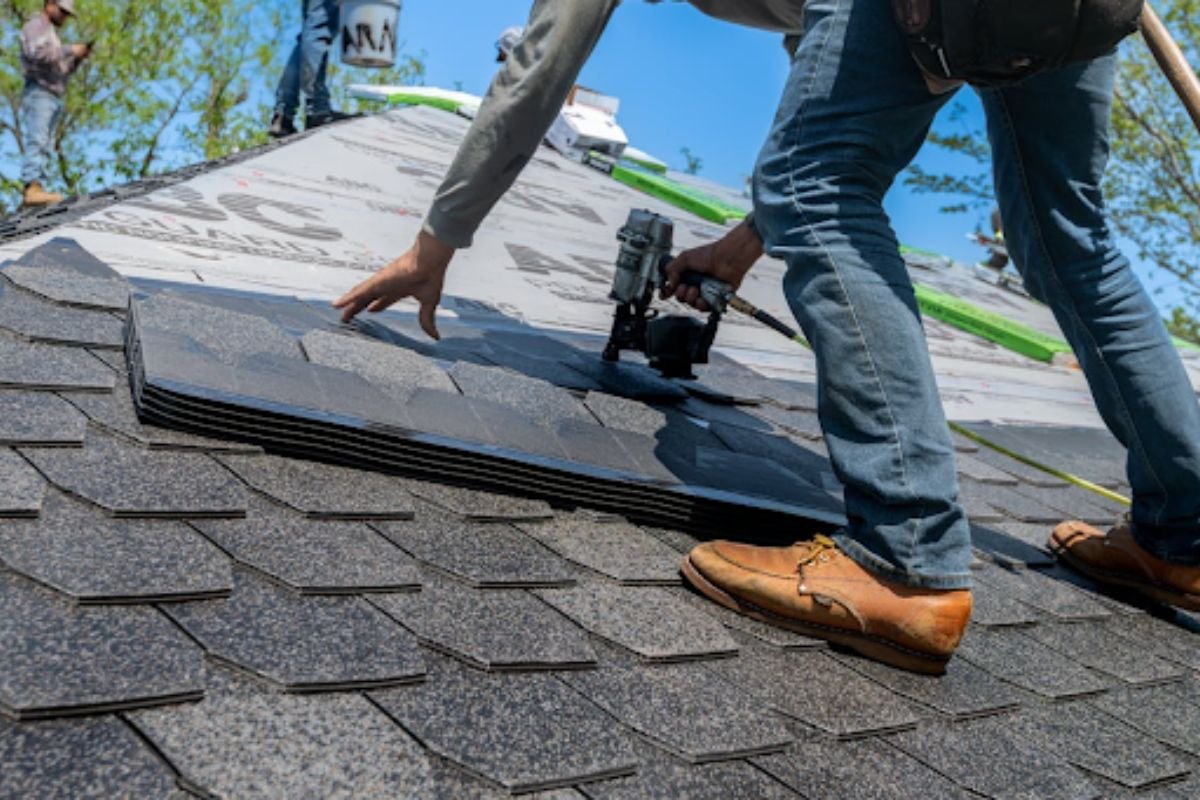
Looking for contractor tips on how to prevent getting ripped off?
Home improvement contractors should make life easier. Instead, thousands of homeowners get scammed every year by fly-by-night contractors. Shoddy work, inflated invoices, missed deadlines.
This cycle can end. When homeowners know how to vet contractors before hiring, tons of risk gets eliminated.
Here are the facts:
In 2024 alone, the FTC logged 81,925 complaints regarding home improvement scams. Can you imagine? Yet that number has grown each year for the last decade.
The good news? Diligence before hiring protects both the home and the wallet.
Here’s what this guide covers:
- Why You Should Always Vet Contractors
- 5 Signs You Should Avoid Hiring
- How To Vet Your Contractor
- Emergency Roof Repair Tips
- Credentials to Verify
Why You Should Always Vet Contractors
Most online shoppers look at reviews before buying something pricey. Who would spend hundreds or thousands on something that has zero reviews?
Yet homeowners regularly hire contractors without doing their homework.
When you wake up to an emergency roof repair needing immediate attention causing water to pour inside your home it can feel overwhelming. What makes the situation worse contractors who market directly to homeowners will show up at your doorstep offering to fix the issue. Eager to stop the damage you hire them on the spot. Fast forward a few weeks after “the repair” and new issues surface. What happened to your roof? You’re now unhappy with the contractor who seems like nowhere to be found.
Partnering with a professional roofing company in TX for emergency repairs that have been vetted in advance is always ideal. This ensures your roof is repaired correctly the first time.
Think about this…
Approximately 1 in 10 Americans will experience a home contractor scam in their lifetime. And people aren’t just losing money. Homeowners report losing thousands of dollars to scams involving incomplete work, low-quality craftsmanship and contractors who simply vanish after taking your deposit.
That is why vetting contractors is absolutely necessary. Don’t be that person.
5 Signs You Should Avoid Hiring
Jumping into a contract is NEVER the best idea. Before you consider signing any agreement with a contractor…
Take time to vet them first.
Look out for these warning signs:
- Contractor asking for full payment upfront. No reputable contractor will ever ask you to pay full price up front. A deposit is normal. But paying the balance before any work starts is never normal.
- No written agreement. If your contractor does not want to provide a written contract that clearly defines the scope of work, timetable and costs involved… DO NOT DO BUSINESS WITH THEM. Verbal contracts are meaningless if a dispute arises later.
- Contractor shows up at your door uninvited. Homeowners hear it all the time: “We just finished a job down the street. And we were wondering if you needed any work done.” Contractors who canvas neighborhoods door-to-door are big warning signs.
- High pressure sales. Trust your gut here. If a contractor is pushing you to make a decision on the spot or creating a false sense of urgency. They may be a scammer.
- Requests for cash payments only. Any contractor who won’t accept a check or credit card and only wants cash is suspect. Why would they not provide you with a receipt?
Avoiding these contractors couldn’t be easier. Simply do not hire them.
How To Vet Your Contractor In 4 Steps
Always vet before hiring. Don’t be afraid to use this exact process whether you’re hiring a painter or an emergency roof repair contractor.
Step 1: Get Multiple Quotes
You should NEVER accept the first bid you receive. Solicit at least 2-3 other quotes for comparison.
If one contractor is significantly cheaper than all the rest. Run. Why would they be able to give you such a low price? More than likely the work will be subpar, they will cut corners and lowball you on material costs.
Step 2: Verify Licensing And Insurance
All contractors should be properly licensed and insured. If they’re not… don’t hire them!
Request copies of the following:
- Contractor’s license for that specific state they’ll be working in.
- General liability insurance.
- Worker’s comp insurance.
Anything else they hesitate to provide certifications for… Move along.
Step 3: Check Reviews And References
Online reviews are great. Nothing beats hearing about first hand experiences from people like you who have hired the contractor in the past.
Google, the BBB and Yelp are all perfect places to start. Don’t stop there though. Ask the contractor for references from their last 3 jobs.
Call these people. Ask them about their experience and if the project was completed on time.
Step 4: Read Contract Thoroughly Before Signing
Finally, read the contract yourself before agreeing to anything. Your contractor should provide a detailed document outlining work to be done, payment schedule, timeline and more.
Anything less than a detailed contract is suspect.
Again… read before you sign. If there’s something you don’t understand, clarify it with the contractor. Never sign a contract you don’t understand.
Emergency Roof Repair Requires Additional Care
Now let’s discuss emergency roof repair contracts specifically.
Many times homeowners want this work done ASAP. So they trust the first roofing contractor that shows up at their door convincing them they can take care of it.
Guess what? 9 times out of 10 those contractors will come back to do more work in the future. Either way you lose.
Instead, do the following if your roof is leaking:
- Put a temporary fix in place. If your roof is leaking you can put a tarp on it to prevent more damage. You can also put buckets to catch the water.
- Call your insurance company first. Let your insurance agency know what happened. Take pictures and document everything.
- Continue to vet contractors even if you feel like you’re short on time. It will only take them 30 minutes to show you they aren’t a roofing scam.
Storm chasing contractors often target neighborhoods after severe hailstorms and windstorms. These contractors will often travel from town to town following storms. Many times you’ll find these contractors are not from around your area. Which means once they leave town… so does your warranty.
Instead of waiting for an emergency to happen. Be proactive and find a contractor you trust BEFORE you need one.
4 Credentials To Verify From Contractors
Licensing and insurance have already been covered. But there’s other things you can verify.
Take note:
- Association membership. Just like how online reviews get checked before hiring a contractor. Contractors should be able to do the same. Do they belong to any industry groups? Things like the National Association of the Remodeling Industry requires members to uphold a code of ethics.
- Permit history. Another thing you can check with your local building authority is what type of permits the contractor has pulled in the past. If they’re unwilling to do home improvement projects with permits. That is another red flag.
- Contractor longevity. How long has the contractor been in business? Someone who has been operating their business for over 10 years is more likely to have an established track record than someone who just started.
- Warranty information. All credible contractors offer some sort of warranty on their work. If they can’t provide you with a labor warranty. What else are they willing to cut corners on?
The more you research your potential contractor. The better off you’ll be.
The Takeaway
Finding and hiring the right home improvement contractor doesn’t have to be painful. But it does require some work. By avoiding these red flags, following the 4-step process to vet contractors and taking extra precautions during emergency roof repairs.
Remember…
- Get multiple quotes. Be sure to compare apples to apples.
- Verify important credentials.
- Read every contract before signing.
- Don’t let urgent situations rush you into hiring.
Your home and bank account will thank you later.

