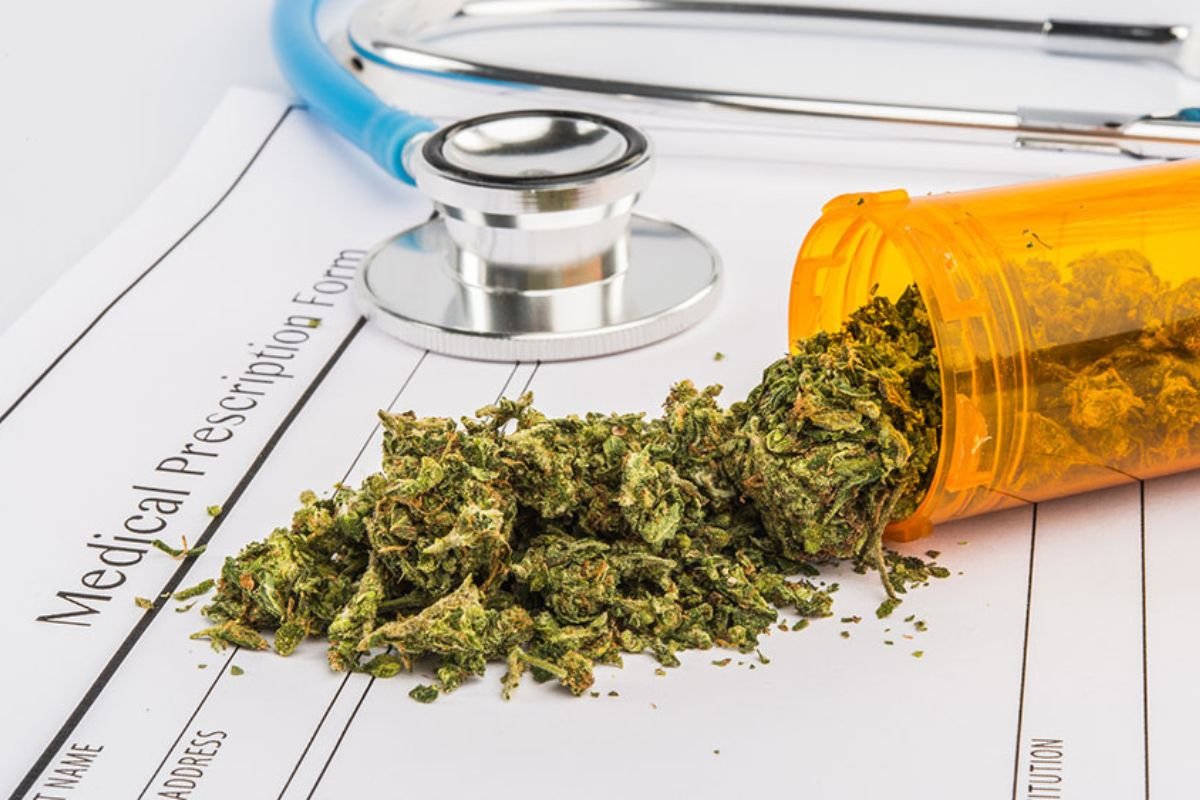
Medical marijuana is now legal in many places and is used to help treat a variety of health conditions. However, patients cannot simply buy it anywhere. To access medical marijuana legally, you must follow specific steps set by your state or country.
These rules are designed to protect patients, ensure product safety, and prevent legal problems. Understanding the correct process makes everything easier.
When patients follow the law, they can safely receive treatment while avoiding fines or penalties. Read on.
What Is Medical Marijuana?
Medical marijuana is cannabis used for health or medical purposes. It is prescribed or recommended by a licensed healthcare professional. Unlike recreational cannabis, medical marijuana is used only to treat specific medical conditions.
Governments regulate medical marijuana programs to ensure products are tested and safe. These programs also control who can qualify and how much cannabis a patient can legally possess.
Who Qualifies for Medical Marijuana?
Before accessing medical marijuana, you must confirm that you qualify. Each state or country has its own list of approved medical conditions. Some of the most common qualifying conditions include:
- Chronic pain
- Epilepsy
- Multiple sclerosis
- Cancer-related symptoms
- Post-traumatic stress disorder (PTSD)
- Severe anxiety
The only way to know for sure if you qualify is to consult a licensed doctor. The doctor will review your medical history, symptoms, and current treatments before deciding whether medical marijuana is appropriate for you.
State and Country Rules Matter
Medical marijuana laws are different depending on where you live. In the United States, laws are created at the state level. This means requirements in California may be different from those in Florida.
For example, patients in these states must receive a physician’s recommendation and then apply for a state-issued medical marijuana card. Without this card, purchasing cannabis legally is not allowed.
In Canada, the system works differently. Patients obtain authorization from a healthcare provider and register with a licensed producer regulated by Health Canada. Even though the process varies, the main goal is the same: to ensure safe and controlled access.
How to Get a Prescription or Medical Card
After consulting with a doctor, the next step is receiving written certification or a prescription, depending on local laws. If approved, you will usually need to:
- Complete an official application
- Provide proof of identity
- Submit medical documentation
- Pay a registration fee
Once your application is approved, you will receive a medical marijuana identification card. This card allows you to purchase cannabis legally from licensed dispensaries.
Buying From Licensed Dispensaries
It is very important to buy medical marijuana only from licensed dispensaries. These dispensaries follow strict safety rules. Their products are tested for contaminants such as mold, pesticides, and heavy metals.
Licensed dispensaries also provide clear labeling, dosage information, and guidance on how to use products safely. Buying from unlicensed sellers may expose you to unsafe products and could lead to legal trouble. Visit one of the top seller’s sites and read their MMJ blog to learn more.
Telemedicine Makes Access Easier
In many regions, patients can now consult doctors through telemedicine. This means you may not need to visit a clinic in person. Online consultations can be convenient, especially for patients with mobility issues or those living far from medical centers.
Integrating Medical Marijuana Into Your Care Plan
Accessing medical marijuana legally requires several clear steps: consult a licensed healthcare provider, obtain proper certification, register with the appropriate authority, and purchase only from licensed dispensaries. By following these guidelines carefully, patients can access medical marijuana responsibly and with confidence.
If you want to read more articles, visit our blog.