

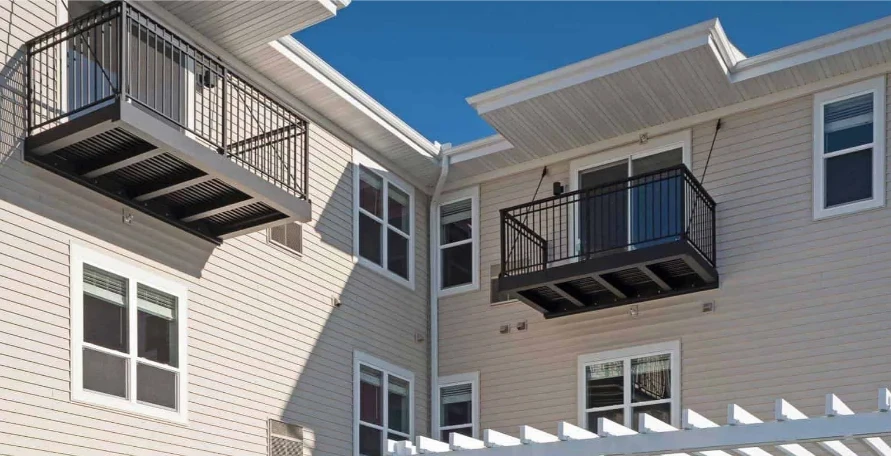
Serving on a homeowners association board used to mean arguing over paint colors and parking rules. That era is over in California. A state law now holds individual board members personally accountable for the structural condition of every exterior balcony, deck, stairway, and walkway in their community. Miss the deadline, and the consequences land not on the association as an abstract entity — but on the specific people sitting around the boardroom table.
The statute driving this shift is SB 326, codified under Civil Code Section 5551. It requires condominiums and any residential development governed by an HOA to have exterior elevated elements professionally evaluated by a licensed architect or structural engineer. AbdInspections https://abdinspections.com/sb-326-inspection/ has conducted hundreds of these mandated evaluations across the Sacramento region, guiding boards through a process that many find unfamiliar and stressful. The first compliance deadline — January 1, 2025 — has already expired. Properties without a completed engineer-stamped report now face daily civil penalties reaching five hundred dollars, and that barely begins to describe the risk.
Why SB 326 Exists
The law traces directly to a 2015 balcony collapse in Berkeley. Wooden beams had rotted behind the exterior finish, and the structure failed under a crowd of residents. Six died, seven were seriously hurt. The legislature enacted two companion statutes — SB 721 for rental apartments and SB 326 for condominium communities.
The distinction matters. SB 721 allows licensed contractors to perform inspections. SB 326 does not — only a licensed architect or structural engineer may conduct and sign the assessment. Condominium structures involve shared ownership and fiduciary duties that demand a higher accountability threshold.
Which Properties Fall Under the Statute
SB 326 casts a wide net across HOA-governed residential developments. The trigger is not building size or unit count — it is the governance model.
Communities subject to mandatory assessment include:
- Condominium complexes of any size managed by a homeowners association
- Townhome developments with shared exterior elevated elements such as walkways or stairways
- Planned unit developments where balconies or decks constitute common-area components
- Any common interest development as defined by the Davis-Stirling Act that features wood-framed exterior structures above six feet
Ground-level patios and fully concrete or steel assemblies fall outside the statute. But buildings from the seventies through nineties frequently used wood framing behind stucco facades, and confirming the actual structural material often requires the kind of examination the inspection itself provides.
What the Engineer Evaluates
The assessment prescribed by SB 326 involves both observation and physical intervention. A visual-only report does not satisfy the statute.
During the observational phase, the licensed engineer walks every exterior elevated element and documents surface indicators of deterioration: coating failure, drainage deficiencies, guardrail instability, cracking near connection points, and staining suggestive of concealed moisture. Photographs accompany each observation.
The invasive phase follows. SB 326 requires testing of a random, statistically significant sample of exterior elements. The engineer opens small cladding sections and deploys borescope cameras to evaluate concealed joists, ledger connections, hardware, and waterproofing membranes. Damage at this stage frequently surprises even boards that believed their property was well maintained — saturated framing at wall junctions and corroded anchors are among the most common findings.
Every opened section is restored after testing. The engineer compiles a stamped report documenting all deficiencies with photographs, severity classifications, and repair recommendations.
Board Obligations Beyond Scheduling the Inspection
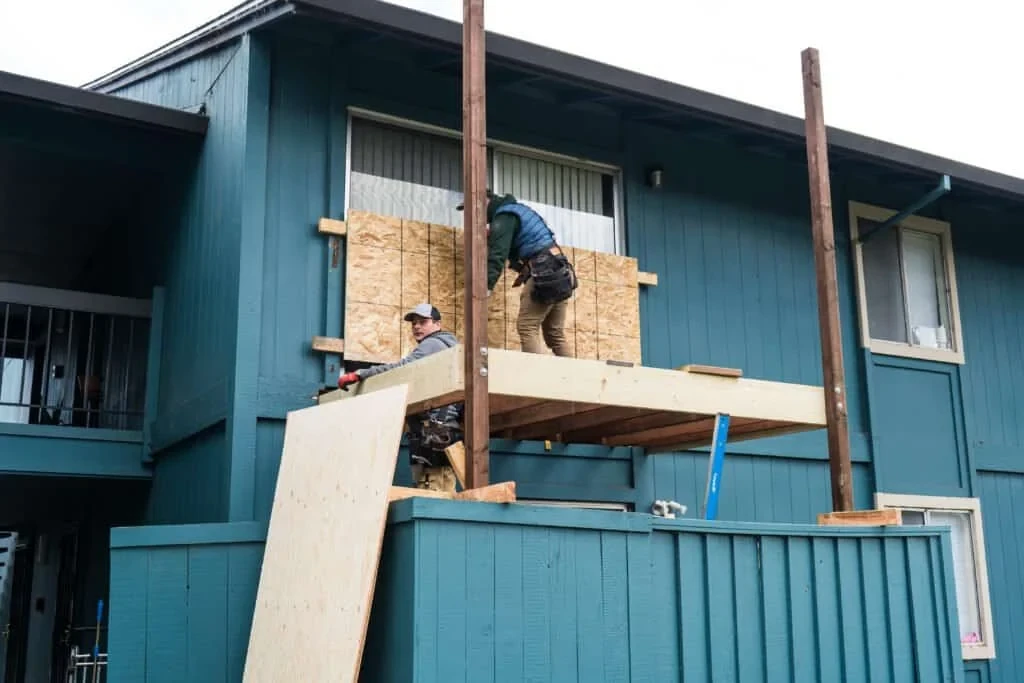
SB 326 imposes responsibilities on HOA boards that extend well past arranging the initial assessment.
- Fund the inspection from association reserves — the cost cannot be deferred or passed to individual unit owners without proper budgeting
- Share the complete findings with every unit owner in the community, including deficiency details and recommended corrective actions
- Incorporate any repairs exceeding thirty percent of remaining useful life into the reserve study and long-term maintenance plan
- Initiate emergency repairs within one hundred eighty days if the engineer identifies conditions posing an immediate safety hazard
- Retain all inspection documentation in association records for the duration of the nine-year compliance cycle
Failure on any of these points exposes board members to personal fiduciary liability — meaning individual directors can be named in lawsuits filed by unit owners alleging negligent maintenance of common-area structures.
Working With AbdInspections
The Sacramento-based team pairs licensed engineering evaluation with in-house construction capability. One contract covers the full arc from assessment through structural repair, using Trex, TimberTech, Redwood lumber, and Westcoat waterproofing systems. Completed work carries a warranty extending up to five years. A superintendent with over a thousand inspections on record oversees every major project personally.
The Cost of Standing Still
Daily fines of up to five hundred dollars are the visible penalty. Insurance carriers are tightening terms on noncompliant associations. Unit owners can sue the board for failure to maintain common-area safety. And if someone is injured on an uninspected structure, personal liability protection erodes almost entirely. Contact AbdInspections and let the team map out what your community needs.

