
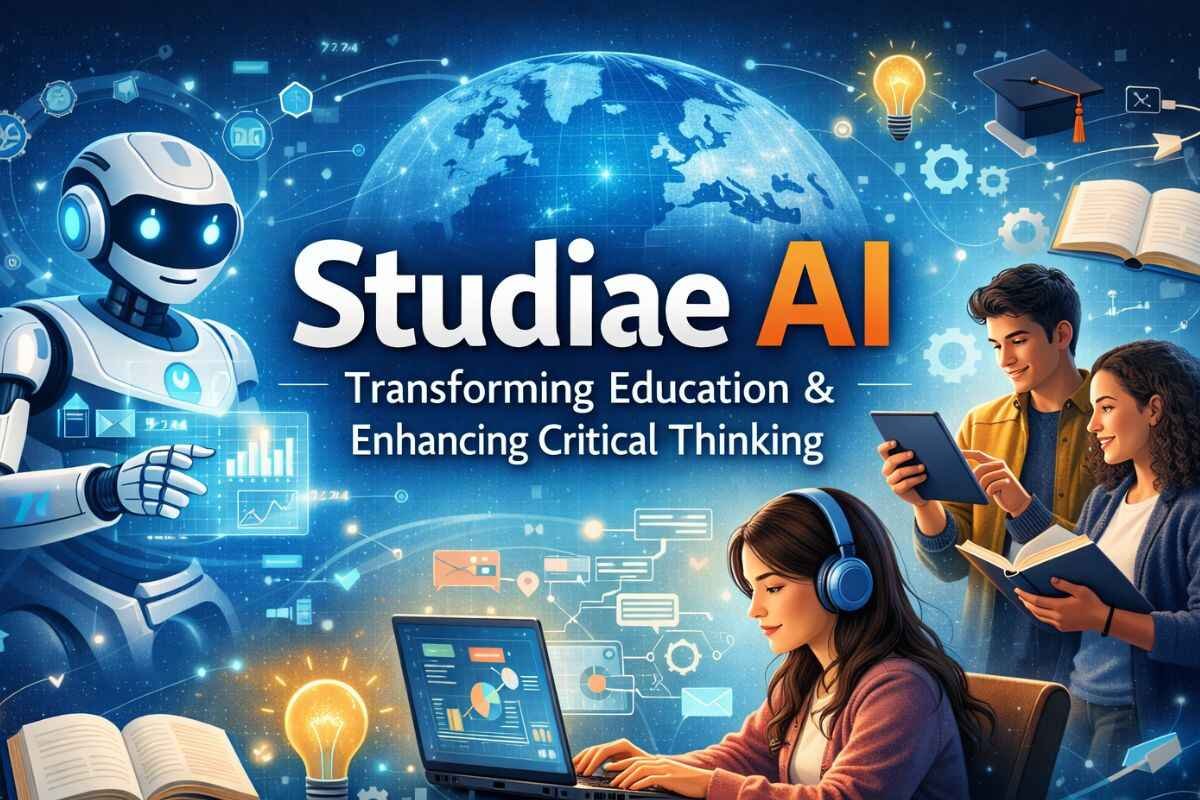
The landscape of modern education is experiencing a revolutionary transformation, driven by technological advancements that are reshaping how students learn and educators teach. At the forefront of this innovation stands Studiae, an artificial intelligence platform designed to enhance learning experiences and develop critical thinking skills across educational institutions worldwide.
What is Studiae AI?
Studiae represents a groundbreaking approach to educational technology, leveraging the power of AI to create personalized learning experiences for students at all levels. This innovative platform combines artificial intelligence with proven pedagogical methods to deliver content that adapts to individual learning styles and needs. Unlike traditional educational tools, Studiae employs sophisticated data analytics to understand how each student processes information, enabling the platform to adjust its teaching approach in real-time.
The technology behind Studiae utilizes adaptive algorithms that monitor student performance and engagement, creating a dynamic learning environment that responds to individual progress. This intelligent system doesn’t just deliver content—it understands the unique challenges each learner faces and provides targeted support to overcome obstacles. Educational institutions implementing Studiae have reported remarkable improvements in student outcomes, with the platform serving as both a teaching assistant for educators and a personal tutor for students.
Overview of its Role in Education and Learning
The role of Studiae in modern education extends far beyond simple content delivery. This platform serves as a comprehensive educational ecosystem that supports the entire learning journey, from initial knowledge acquisition to advanced skills development. By integrating seamlessly into existing curricula, Studiae enhances traditional teaching methods while introducing innovative approaches that engage digital-native students.
Educators utilizing Studiae benefit from powerful analytics that provide insights into student understanding and retention, enabling them to make data-driven decisions about instructional strategies. The platform facilitates personalized experiences that accommodate different learning paces, ensuring that no student is left behind while also challenging advanced learners to reach their full potential. This flexibility makes Studiae particularly valuable in diverse classrooms where students have varying levels of academic preparation and different learning preferences.
Understanding Critical Thinking
Definition and Importance of Critical Thinking
Critical thinking represents one of the most essential skills in today’s rapidly changing world. It encompasses the ability to analyze information objectively, evaluate evidence, question assumptions, and form reasoned judgment based on careful analysis. This cognitive process involves examining perspectives from multiple angles, identifying biases, and drawing conclusions through systematic reasoning.
The importance of critical thinking extends across all aspects of life, from academic pursuits to professional endeavors and personal decision-making. Students who develop strong critical thinking abilities demonstrate superior problem-solving capabilities, better adaptability to new challenges, and enhanced communication skills. These competencies prepare them for success in higher education and professional environments where independent analysis and sound judgment are valued.
In educational settings, critical thinking serves as the foundation for deep understanding rather than mere memorization. It encourages students to engage with content actively, fostering curiosity and a growth mindset that promotes continuous learning. The development of these skills prepares learners to navigate complex real-world situations where standard solutions may not apply.
How Critical Thinking Impacts Personal and Professional Growth
The impact of critical thinking on personal and professional growth cannot be overstated. Individuals who possess strong critical thinking skills demonstrate greater confidence in their abilities, take ownership of their learning, and show remarkable adaptability when facing new challenges. These qualities translate directly into professional success, as employers consistently rank critical thinking among the most desired skills in candidates.
In professional contexts, critical thinking enables effective problem-solving, strategic planning, and innovation. Professionals who can analyze situations thoroughly, evaluate multiple perspectives, and make evidence-based decisions contribute significantly to organizational effectiveness. The ability to identify assumptions, assess risks, and consider long-term implications makes these individuals invaluable in leadership roles and collaborative projects.
Personal growth flourishes when individuals apply critical thinking to their own experiences and beliefs. This reflection process promotes self-awareness, helps identify areas for development, and encourages continuous learning. The mindset cultivated through critical thinking practice creates opportunities for personal advancement and enhances overall life satisfaction.
How Studiae AI Enhances Critical Thinking
Features Designed to Develop Analytical Skills
Studiae incorporates numerous features specifically designed to nurture critical thinking and analytical skills. The platform presents students with interactive modules that challenge them to analyze information, identify patterns, and draw reasoned conclusions. These activities go beyond traditional multiple-choice questions, requiring students to demonstrate understanding through detailed analysis and evaluation of complex scenarios.
The adaptive nature of Studiae ensures that critical thinking exercises match student readiness levels while progressively increasing in complexity. As students master fundamental analysis techniques, the platform introduces more sophisticated challenges that require synthesis of multiple concepts and perspectives. This graduated approach builds confidence while developing robust analytical capabilities.
Key features supporting critical thinking development include:
- Interactive case studies that present real-world scenarios requiring thorough analysis
- Collaborative environments where students engage in debates and peer evaluation
- Personalized feedback highlighting reasoning strengths and areas for improvement
- Evidence-based exercises teaching students to distinguish reliable information from biases
- Problem-solving modules that develop systematic approaches to complex challenges
Examples of Activities and Exercises that Promote Critical Thinking
Studiae offers diverse activities and exercises designed to strengthen critical thinking across various contexts. These experiences engage students in authentic learning situations that mirror challenges they’ll encounter in academic and professional settings.
Case study analysis represents one of the most powerful tools within Studiae for developing critical thinking. Students examine detailed scenarios, identify key issues, evaluate potential solutions, and justify their recommendations with evidence. This process develops analytical skills while teaching students to consider multiple perspectives and assess the implications of different approaches.
Collaborative projects within Studiae create opportunities for students to engage in constructive debates, challenge assumptions, and refine their reasoning through interaction with peers. These environments promote communication skills while teaching students to articulate their analysis clearly and respond thoughtfully to alternative viewpoints.
Reflection exercises and journaling activities encourage students to examine their own thinking processes, identifying biases and assumptions that may influence their judgment. This metacognitive practice strengthens critical thinking by promoting awareness of how beliefs and experiences shape analysis.
Interactive modules present students with complex problems requiring systematic analysis and decision-making. These exercises develop problem-solving skills by teaching students to break down challenges into manageable components, gather relevant data, and synthesize information to reach well-reasoned conclusions.
Benefits of Using Studiae AI in Educational Settings
Improved Learning Outcomes and Engagement
Educational institutions implementing Studiae have documented significant improvements in learning outcomes across diverse student populations. The personalized approach ensures that each student receives content and experiences tailored to their individual needs, resulting in better retention and deeper understanding. Students demonstrate increased engagement when learning materials adapt to their interests and challenge them appropriately.
The platform’s interactive nature transforms passive content consumption into active learning experiences. Students interact with materials through various activities, exercises, and projects that maintain interest and promote active participation. This engagement translates directly into improved academic performance and greater enthusiasm for learning.
Analytics provided by Studiae enable educators to identify students requiring additional support before they fall behind. Early intervention based on data insights prevents academic struggles and helps maintain student confidence and motivation throughout the learning journey.
Support for Teachers and Educators
Educators benefit tremendously from the support and resources Studiae provides. The platform handles routine tasks such as content delivery and progress monitoring, freeing teachers to focus on higher-value activities like personalized instruction and student mentorship. This efficiency allows educators to work more effectively while maintaining work-life balance.
The analytics and data provided by Studiae give educators unprecedented insight into student understanding and engagement. Teachers can identify which concepts students find challenging, adjust their teaching strategies accordingly, and provide targeted support where needed. This data-driven approach to teaching improves effectiveness and ensures that instructional time is used optimally.
Professional development opportunities within Studiae help educators stay current with educational innovation and best practices. The platform provides resources for continuous learning, helping teachers integrate technology effectively and develop new teaching skills.
Student Skill Development
Beyond academic content mastery, Studiae promotes comprehensive skills development essential for success in modern education and future careers. Students develop digital literacy, learning to navigate online environments and utilize technology tools effectively. These capabilities prepare them for higher education and professional contexts where digital fluency is expected.
The collaborative features within Studiae develop communication and teamwork skills as students work together on projects and engage in peer learning. These social skills complement academic learning and prepare students for collaborative environments they’ll encounter throughout their careers.
Critical thinking skills developed through Studiae activities transfer to all areas of academic and personal life. Students learn to approach challenges systematically, evaluate information critically, and make reasoned decisions—capabilities that serve them well beyond their formal education.
Real-life Feedback and Success Stories
User Testimonials and Case Studies
Success stories from institutions implementing Studiae demonstrate the platform’s transformative impact on education. Educators report that students show greater curiosity and engagement when learning through Studiae, with many students taking ownership of their learning journey in ways not seen with traditional methods.
One comprehensive case study examined implementation across multiple classrooms, documenting significant improvements in student performance and engagement. Teachers noted that Studiae’s personalized approach reached students who previously struggled with conventional teaching methods, providing them with experiences that matched their learning styles and pace.
Feedback from students highlights the confidence gained through using Studiae. Many report feeling more prepared for academic challenges and better equipped to tackle complex problems. The sense of accomplishment from progressing through personalized learning paths motivates continued effort and fosters a growth mindset.
Measurable Improvements in Student Performance
The impact of Studiae extends beyond subjective feedback to measurable improvements in academic outcomes. Institutions tracking performance data have documented significant gains in test scores, assignment quality, and overall academic achievement. These improvements span across different subjects and student demographics, demonstrating the platform’s broad effectiveness.
Retention rates show notable increases in schools using Studiae, with students demonstrating better long-term knowledge retention compared to traditional instruction alone. The interactive and personalized nature of learning experiences creates stronger memory formation and deeper understanding.
Analytics reveal that students using Studiae develop stronger problem-solving abilities and critical thinking skills compared to control groups. These capabilities manifest in improved performance on complex assessments requiring analysis, evaluation, and synthesis of information.
Safety, Security, and Licensing
Data Protection and Privacy Measures
Studiae prioritizes the security and privacy of student and institutional data through comprehensive protection measures. The platform employs encryption to safeguard sensitive information during transmission and storage, ensuring that personal data remains secure from unauthorized access.
Privacy policies comply with educational standards and regulations, giving institutions and families confidence that student information is handled responsibly. Studiae implements strict access controls and monitoring systems to detect and prevent potential risks to data security.
The platform operates in secure environments with regular updates to address emerging security challenges. These proactive measures ensure that Studiae remains a safe and trusted platform for educational use.
Developer Information and Licensing Terms
Licensing arrangements for Studiae provide flexible options that accommodate different institutional needs and budgets. The platform offers various pricing tiers, ensuring accessibility for institutions of different sizes and resources. This flexibility enables widespread adoption across diverse educational settings.
Support services included with licensing help institutions maximize their investment in Studiae. Technical assistance, training resources, and ongoing updates ensure that educators can utilize the platform effectively and students benefit from continuous improvements.
The developer community supporting Studiae contributes to ongoing innovation and enhancement of platform features. Regular updates introduce new capabilities based on feedback from educators and students, ensuring the platform evolves to meet changing educational needs.
Integrating Studiae AI into Educational Institutions
Implementation Strategies
Successful integration of Studiae requires thoughtful planning and a structured framework for implementation. Institutions should begin with a pilot program involving selected educators and students to evaluate effectiveness and identify potential challenges before widespread adoption. This exploration phase provides valuable insights that inform broader implementation strategies.
Training for educators represents a critical component of successful integration. Teachers need support in understanding how to incorporate Studiae into their curricula and leverage platform features effectively. Professional development sessions should address both technical aspects and pedagogical approaches for maximizing Studiae’s impact on learning.
Key implementation considerations include:
| Phase | Activities | Timeline |
| Planning | Assess needs, set goals, secure resources | 1-2 months |
| Pilot Program | Test with small groups, gather feedback | 3-4 months |
| Training | Educator professional development | Ongoing |
| Rollout | Gradual expansion across institution | 6-12 months |
| Evaluation | Monitor outcomes, adjust strategies | Continuous |
Overcoming Challenges and Maximizing Adoption
Institutions implementing Studiae may encounter challenges related to technology infrastructure, educator readiness, and student accessibility. Addressing these limitations proactively ensures smooth adoption and maximizes the platform’s benefits.
Technology infrastructure must support the digital demands of Studiae, requiring adequate internet bandwidth and device availability. Institutions should assess their current capabilities and make necessary upgrades to ensure all students can access the platform effectively.
Some educators may initially resist adopting new technology, particularly if they’re comfortable with traditional teaching methods. Building a community of early adopters who can share success stories and provide peer support helps overcome this resistance. Demonstrating the effectiveness of Studiae through evidence and student outcomes encourages broader acceptance.
Ensuring accessibility for all students regardless of background or ability represents an important consideration. Studiae’s flexible and adaptive features can accommodate diverse learning needs, but institutions must ensure equitable access to necessary technology and support services.
Special Offers, Alternatives, and Similar Tools
Promotions and Pricing Plans
Studiae offers various pricing structures designed to make the platform accessible to institutions with different budgets and needs. Special offers for new adopters provide opportunities to explore the platform at reduced cost, allowing schools to evaluate its impact before committing to long-term licensing agreements.
Educational institutions may qualify for discounts based on size, location, or participation in specific programs. These offers make Studiae more accessible to schools serving diverse communities, promoting equity in access to advanced educational technology.
Reviews from institutions using Studiae consistently highlight the platform’s value relative to its cost. The improvements in student outcomes and educator effectiveness justify the investment, with many schools reporting returns that far exceed initial expenditures.
Comparison with Other AI Educational Tools
The educational technology landscape includes numerous AI-powered tools, each offering different features and approaches to enhancing learning. Comparing Studiae with alternatives helps institutions make informed decisions about which platform best meets their needs.
Studiae distinguishes itself through its comprehensive approach to developing critical thinking alongside content mastery. While some tools focus primarily on content delivery or assessment, Studiae integrates these elements within a framework designed to promote deeper analytical skills and problem-solving abilities.
The personalized experiences provided by Studiae represent another key differentiator. The platform’s adaptive algorithms create learning paths tailored to individual students more effectively than many alternatives, resulting in better engagement and outcomes.
Integration capabilities vary significantly among educational tools. Studiae’s ability to work within existing curricula and complement traditional teaching methods makes it particularly attractive for institutions seeking to enhance rather than replace current approaches.
Conclusion
Studiae represents a powerful innovation in educational technology, offering institutions a comprehensive platform for enhancing learning and developing critical thinking skills. The personalized, adaptive approach ensures that students receive experiences matched to their individual needs, resulting in improved engagement, retention, and academic performance.
Educators benefit from the support, resources, and analytics Studiae provides, enabling more effective teaching and better student outcomes. The platform’s focus on developing critical thinking prepares students for success in academia and professional environments where analytical skills are essential.
Frequently Asked Questions
Q1: What makes Studiae different from other educational AI platforms?
Studiae uniquely combines personalized learning with comprehensive critical thinking development through adaptive technology and interactive experiences.
Q2: How does Studiae protect student data and privacy?
The platform uses encryption and secure environments with strict privacy policies complying with educational standards.
Q3: Can Studiae integrate with existing school curricula?
Yes, Studiae is designed to complement and enhance existing curricula rather than replace traditional teaching methods.
Q4: What training do educators need to use Studiae effectively?
Educators receive professional development covering both technical aspects and pedagogical strategies for maximizing platform benefits.
Q5: How long does it take to see improvements in student performance?
Many institutions report measurable improvements in engagement within weeks, with significant academic gains appearing over several months.

